
Walk into a great museum, and sooner or later, you’ll find a crowd gathered around a glass case. People lean closer, cameras rise, and whispers start. Inside, under careful lighting, sits a diamond that has survived wars, crossed empires, and inspired legends. These stones are far more than beautiful objects. They are witnesses to history.
Diamonds in museum collections often carry stories that stretch across centuries. Some belonged to royal families. Others traveled through colonial trade routes, changed hands during political upheaval, or became symbols of national identity. Their sparkle may catch your eye first, yet their true value often lies in the stories they preserve. Museums treat these gems not simply as luxury items, but as cultural artifacts that help explain power, wealth, craftsmanship, and human ambition.
Unlike jewelry stores, museums invite you to look beyond price tags. They ask deeper questions. Who owned this stone? How was it cut? Why did it matter to a nation? In many cases, the diamond becomes a mirror reflecting the values of its time. That’s what makes these collections so fascinating.
Why Museums Preserve Historic Diamonds
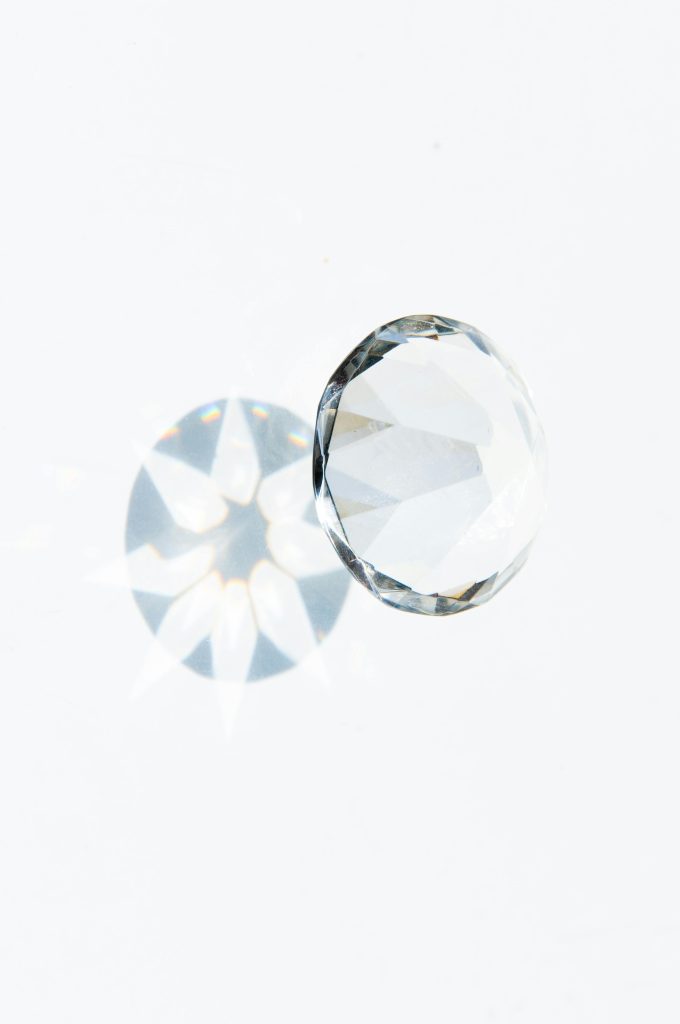
A museum doesn’t collect diamonds just because they are rare. It preserves them because they represent something larger. A historic diamond may tell the story of a kingdom’s rise, a colonial trade network, or a scientific breakthrough in gem cutting. In that sense, the stone becomes a document written in crystal.
Take royal collections, for example. Crown jewels often include diamonds chosen not only for size but also for symbolism. A ruler might wear a famous gem during coronation ceremonies to signal legitimacy and strength. That diamond then becomes part of national memory. Even after monarchies change or disappear, the stone remains as evidence of that political theater.
Museums also preserve diamonds for their artistic value. Early cutting techniques differed greatly from modern precision methods. By studying antique stones, historians can trace the evolution of craftsmanship. It’s a bit like comparing an old handwritten letter to a modern text message. Both communicate, yet each reflects its era in a very different way.
Security matters too, of course. These gems need protection from theft, damage, and even light exposure. Museums create controlled environments so future generations can continue studying and admiring them.
The Hope Diamond: Mystery Behind the Blue Fire
Few museum diamonds attract as much attention as the Hope Diamond. Housed at the Smithsonian Institution in Washington, D.C., it has become one of the most famous gems in the world. Its deep blue color almost looks unreal, like a drop of midnight trapped in glass.
The diamond weighs over 45 carats today, though it was once part of a larger stone believed to have originated in India. Over centuries, it passed through the hands of merchants, French royalty, and wealthy collectors. Along the way, stories of bad luck and curses followed it like a dramatic shadow. Whether those tales hold truth or not, they certainly helped turn the stone into legend.
What makes the Hope Diamond important for museums isn’t just its beauty. It connects geology, colonial history, royal politics, and public imagination. Visitors don’t simply come to see a gem. They come to meet a story they’ve heard for years. In that sense, the diamond performs almost like a celebrity behind glass.
The Koh-i-Noor and the Debate Over Ownership
Some museum diamonds inspire admiration. Others spark serious debate. The Koh-i-Noor sits firmly in both categories. Its name means “Mountain of Light,” and its journey spans India, Persia, Afghanistan, and Britain.
Today, the diamond forms part of the British Crown Jewels and remains one of the most discussed gemstones in the world. Its history involves conquest, treaties, and imperial expansion. Because of that, many people question whether it should remain in Britain or return to South Asia.
This debate highlights an important museum issue: ownership. When a diamond enters a national collection, it may also carry unresolved questions about how it arrived there. Was it gifted willingly, traded fairly, or taken during conflict? Museums increasingly face pressure to address these histories openly rather than hide behind polished display cases.
The Koh-i-Noor reminds visitors that diamonds can be political objects. Their brilliance does not erase the complicated paths they traveled. Sometimes the sparkle reveals more than it hides.
Treasures of Royal Collections Around the World
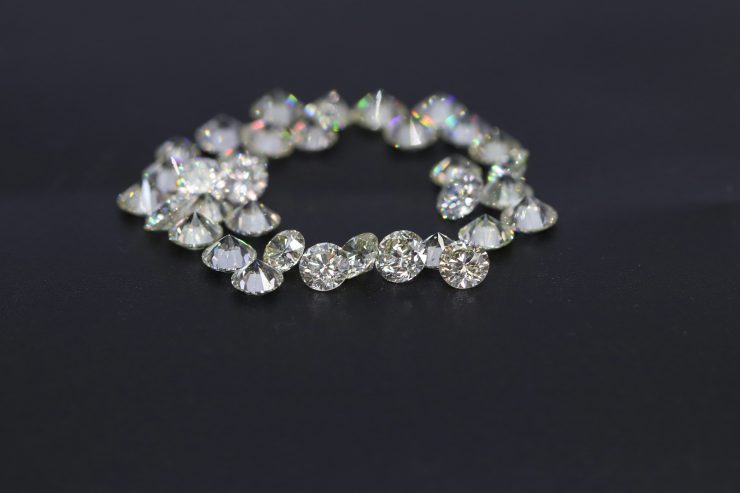
Many nations display diamonds as part of royal heritage collections. These stones often symbolize continuity, prestige, and ceremonial authority. In places like the Tower of London, visitors line up to view crown jewels that still shape public imagination today.
Royal diamonds often feature in crowns, scepters, and ceremonial swords rather than everyday jewelry. Their purpose was public performance. A king or queen wearing such a gem didn’t simply want elegance. They wanted spectacle. Think of it as medieval public relations, only with more velvet and significantly more sparkle.
In Russia, France, and other former imperial centers, preserved jewels tell stories of vanished courts and political revolutions. Some survived palace looting. Others disappeared and later resurfaced through auctions or private collections. Each recovery adds another chapter.
These museum pieces help historians study how rulers used visual symbols to project authority. A diamond crown wasn’t just decoration. It was a carefully designed message that said, “Power lives here.”
Scientific and Educational Value of Museum Diamonds
Beyond history and glamour, museum diamonds also serve science. Gemologists study them to understand mineral formation, trace elements, and cutting methods. Some stones reveal geological conditions that existed billions of years ago, long before human civilization even had a name.
Natural diamonds form under intense heat and pressure deep within the Earth. When museums display them alongside educational exhibits, visitors can connect luxury with geology. Suddenly, that polished gem becomes part of Earth’s ancient story rather than just a luxury object.
Museums also compare natural diamonds with synthetic ones to explain technological progress. This helps visitors understand the difference between rarity and manufacture. A diamond can be chemically identical yet culturally worlds apart.
Educational programs often use famous stones to teach broader lessons. A child may come for the sparkle and leave curious about volcanology, trade history, or royal politics. That’s museum magic at work. It turns fascination into learning without making it feel like homework.
Why These Diamonds Still Matter Today
In a world full of digital distractions, museum diamonds still stop people in their tracks. Why? Because they combine permanence with mystery. A phone becomes outdated in three years. A diamond can survive for a thousand.
These stones also challenge modern ideas about value. Is a diamond precious because of rarity, beauty, history, or symbolism? Museums encourage visitors to wrestle with that question. Often, the answer is all of the above.
National treasures create emotional connections as well. People see them as part of shared heritage, even if they never owned anything remotely similar. A famous museum diamond becomes a public symbol, almost like a historical flag made of light.
Perhaps that is why people keep gathering around those glass cases. They are not just staring at expensive stones. They are looking at ambition, empire, craftsmanship, controversy, and memory—compressed into a single point of brilliance.
A diamond in a museum does not simply shine. It speaks.