
A loose diamond or gemstone in jewelry often starts as a tiny problem that’s easy to miss. One day, your ring looks perfectly normal. The next, the center stone is gone, leaving behind an empty setting and a sinking feeling. In many cases, that loss doesn’t happen suddenly. Jewelry usually gives subtle warning signs first. Learning how to spot them can save both money and heartbreak.
Whether you wear an engagement ring every day or bring out a diamond pendant for special occasions, regular checks matter. Stones don’t usually “just fall out.” Prongs wear down, settings loosen, and small impacts add up over time. Think of it like a loose button on a favorite coat. Ignore it long enough, and eventually, it disappears. The same idea applies to diamonds—only with much higher stakes.
Why Stones Become Loose in the First Place
Jewelry goes through more stress than most people realize. Rings, especially, take a daily beating. You open doors, carry bags, type on keyboards, wash dishes, and sometimes knock your hand against a countertop without even noticing. Each little bump may seem harmless, yet over months and years, those impacts can weaken the setting.
Prongs are often the first place trouble begins. These tiny metal claws hold the stone in place. If they bend, thin out, or wear down, they stop doing their job properly. Channel settings, bezel settings, and pavé designs can also loosen with age, especially if the jewelry experiences repeated pressure.
Temperature changes may play a role too. Metal expands and contracts slightly with heat and cold. Over time, this movement can affect how securely a stone sits. Add everyday lotions, soap residue, and dust buildup, and even a sturdy setting may slowly shift without obvious drama.
The Sound Test: Listen Carefully
Sometimes your ears notice a problem before your eyes do. A loose stone may create a faint rattling sound when you gently tap or shake the jewelry near your ear. It’s subtle—more whisper than warning siren—but it matters.
For example, if you lightly hold a ring and tap the side against your finger, you shouldn’t hear movement. If you do hear a soft clicking or rattling, the stone may no longer fit tightly in its setting. This doesn’t always mean disaster is immediate, though it does mean the piece deserves professional attention soon.
Be gentle here. This isn’t a maraca audition. Shaking jewelry too hard can make the problem worse. A soft check is enough.
Visual Signs You Shouldn’t Ignore
Your eyes can reveal a lot if you know what to look for. Start by examining the stone under good lighting. Natural daylight near a window often works better than dim bathroom lighting.
Look closely at the prongs. Do they appear even and symmetrical? If one looks shorter, bent outward, or flatter than the others, that’s a red flag. A missing prong is an even bigger issue and should be handled immediately.
Next, check the stone itself. Does it sit level, or does it look tilted to one side? A crooked diamond often signals that part of the setting has shifted. You may also notice a gap between the stone and the metal. That tiny space can mean the stone is no longer snug.
Pay attention to snagging too. If your ring suddenly catches on sweaters, towels, or hair more than usual, worn prongs may be sticking up. That’s often one of the earliest practical signs of trouble.
The Gentle Touch Test
A careful touch test can help confirm suspicion. Using clean hands, lightly run your fingertip across the top of the stone. It should feel stable and secure. If it shifts, rocks, or feels uneven, stop wearing the jewelry until a jeweler inspects it.
You can also use a fingernail to lightly touch the side of the stone—not enough to apply pressure, just enough to sense movement. If there’s even slight wiggle, take it seriously.
However, avoid using tools like tweezers or pins to test tightness. That often turns a small issue into an expensive repair. Jewelry isn’t a DIY battlefield.
High-Risk Jewelry That Needs Extra Attention
Some jewelry designs need more frequent checks than others. Rings worn daily sit at the top of the list, especially engagement rings and wedding bands. They face constant impact and friction, which naturally increases wear.
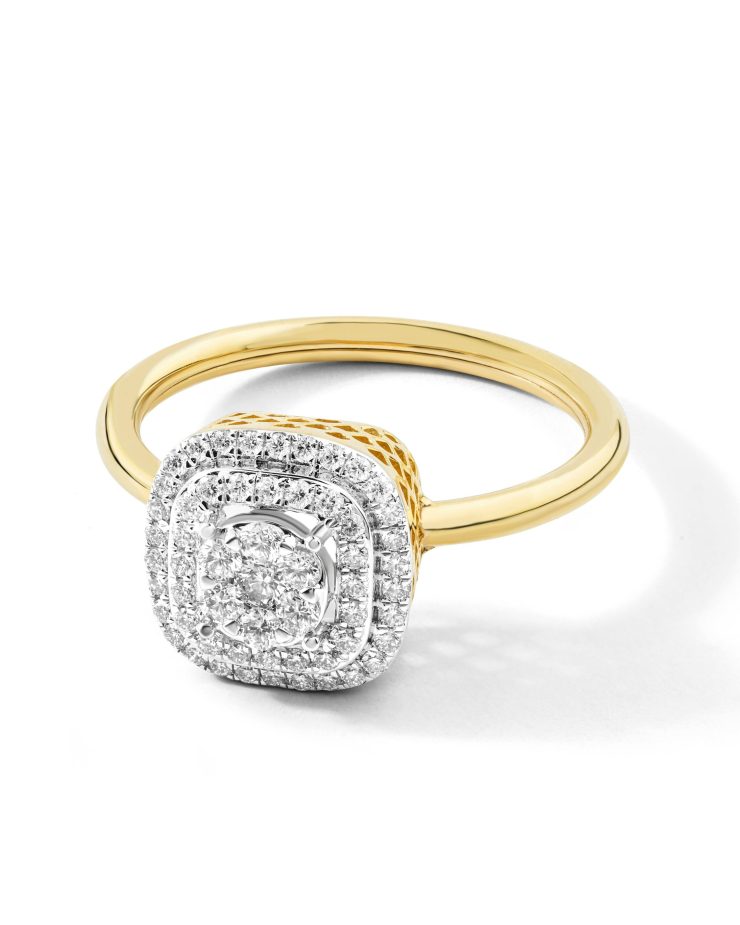
Pavé settings also deserve close attention. These designs use many tiny stones held by small beads of metal. While beautiful, they can be delicate. Losing one small diamond may seem minor, yet it often signals wear across the entire setting.
Tennis bracelets and older heirloom jewelry also require extra care. Clasps loosen, links stretch, and vintage settings may have thinner metal due to age. Antique jewelry may look strong, though decades of wear often tell another story beneath the sparkle.
Professional Inspections Matter More Than You Think
Even if everything looks fine, regular professional inspections are worth it. A jeweler uses magnification and tools that reveal problems invisible to the naked eye. They can spot thinning prongs, hidden cracks, and subtle structural weakness long before a stone falls out.
Many people wait until they see obvious damage. That’s like calling a plumber after the kitchen becomes a swimming pool. Prevention costs less.
A yearly inspection works well for occasional jewelry, while frequently worn rings may benefit from checks every six months. Some jewelers even offer complimentary inspections and cleaning, which makes routine maintenance easier.
Simple Habits That Help Prevent Stone Loss
Good habits can quietly protect your jewelry every day. Remove rings before heavy lifting, gardening, gym workouts, or cleaning with harsh chemicals. Chlorine and abrasive products can weaken metal over time, especially gold alloys.
Store jewelry separately so pieces don’t scratch or knock against one another. Tossing everything into one drawer is basically a tiny demolition derby.
Clean jewelry gently at home using mild soap, warm water, and a soft brush when appropriate for the setting. Dirt buildup can hide warning signs and create extra pressure around stones.
Most importantly, trust small changes. If your ring feels different, looks slightly off, or catches on fabric unexpectedly, don’t dismiss it. Jewelry often whispers before it shouts.
What to Do If You Suspect a Loose Stone
The moment you suspect looseness, stop wearing the piece. Continuing to wear it “just for today” often becomes the reason the stone disappears tomorrow.
Place the jewelry in a soft pouch or separate box and schedule a professional inspection. If the stone has already fallen out but you still have it, keep both the stone and setting together and avoid trying to reset it yourself.
If insurance covers the piece, review your policy and documentation. Having recent photos, appraisals, and repair records can make the process much smoother if replacement becomes necessary.
Quick action makes all the difference. A simple tightening may cost very little. Replacing a lost diamond is a very different story.
Final Thoughts
Loose stones rarely arrive with flashing warning lights. Instead, they show up through tiny clues—a soft rattle, a crooked angle, a snag on your sweater, a prong that looks just a little off. Paying attention to those details helps protect both sentimental value and financial investment.
Jewelry should bring confidence, not quiet panic every time you glance at your hand. A few simple checks and regular professional inspections can prevent the kind of loss people remember for years.
In short, if something feels off, trust that instinct. Diamonds may be forever, but only if they stay where they belong.