
What Diamond Symmetry Really Means
When people first hear the term “diamond symmetry,” they often imagine perfect balance in a poetic sense. In reality, symmetry in diamonds refers to how precisely the stone’s facets align and interact with one another. Every polished diamond consists of multiple flat surfaces, called facets, that work together to reflect light. If those facets sit in the right positions and mirror each other correctly, the diamond will display a clean, balanced appearance.
Think of it like a well-cut mirror ball. If each tiny mirror sits in the right place, light scatters evenly across the room. If a few mirrors tilt or shift, the pattern becomes uneven. The same principle applies here. Even small misalignments can disrupt how light travels through the stone.
Symmetry doesn’t exist in isolation. It works alongside cut, polish, and proportions. However, while cut often gets the spotlight, symmetry quietly shapes how “organized” and refined a diamond looks. It’s subtle. Yet once you notice it, you can’t unsee it.
Why Symmetry Matters in Appearance and Value
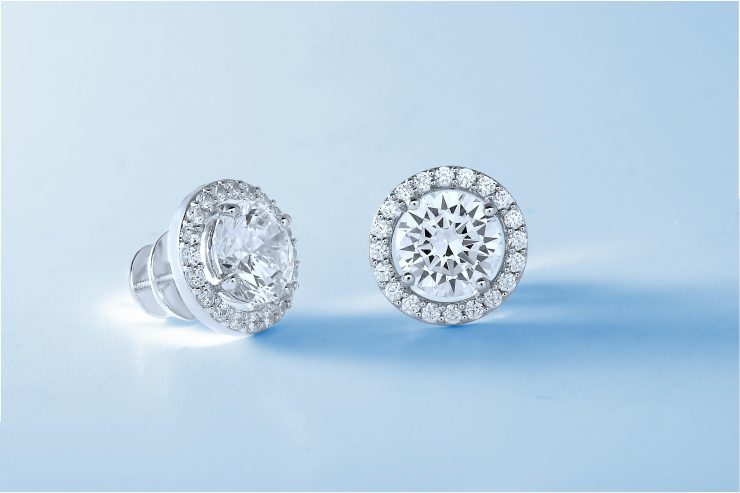
At first glance, symmetry might seem like a minor technical detail. However, it plays a direct role in how a diamond handles light. When facets align properly, light enters, reflects, and exits in a controlled way. This creates the brilliance and sparkle most people associate with high-quality diamonds.
If symmetry falls short, light leaks out in unintended directions. The diamond may look slightly dull or uneven. In some cases, the stone might even appear lopsided, especially under magnification.
From a value perspective, symmetry contributes to grading reports and overall desirability. Buyers don’t always spot symmetry issues with the naked eye. Still, professionals factor them into pricing. A diamond with excellent symmetry often commands more attention and, in many cases, a higher price.
You can think of symmetry as the “discipline” behind the sparkle. Without it, even a well-proportioned stone may fail to impress.
Key Elements That Define Diamond Symmetry
Several specific features determine how symmetry gets evaluated. These aren’t random details. Each one affects how balanced the diamond appears and performs.
Here are the main elements graders examine:
- Facet alignment
Each facet should line up with its corresponding partner. Misalignment can distort reflections. - Table centering
The table is the large, flat top surface. If it sits off-center, the diamond may look uneven. - Culet placement
The culet is the tiny point at the bottom. Ideally, it should align directly beneath the table. - Girdle thickness consistency
The girdle forms the diamond’s outer edge. Uneven thickness can signal poor symmetry. - Crown and pavilion angles
These angles should match across the stone. Inconsistencies can affect light performance. - Facet shape and size uniformity
Matching shapes create a harmonious look. Variations can disrupt visual balance.
Each of these factors contributes to the overall symmetry grade. Even minor deviations can add up, especially in high-precision grading environments.
How Gem Labs Grade Diamond Symmetry
Professional gemological labs use standardized systems to assess symmetry. Organizations like the Gemological Institute of America (GIA) assign grades based on careful visual inspection, often using magnification tools.
The grading scale typically includes:
- Excellent (EX)
Facets align almost perfectly. Any deviations are extremely minor and hard to detect. - Very Good (VG)
Slight inconsistencies exist. However, they rarely affect visual performance. - Good (G)
Noticeable symmetry issues may appear under magnification. The impact on appearance remains moderate. - Fair (F)
Misalignments become more visible. Light performance may suffer. - Poor (P)
Significant symmetry problems affect both appearance and brilliance.
Graders don’t rely on a single measurement. Instead, they evaluate the diamond as a whole. They look at how multiple small imperfections interact. Sometimes, one issue alone might seem trivial. Combined with others, it can lower the overall grade.
Common Symmetry Issues You Might Encounter
Not all symmetry flaws look dramatic. In fact, many remain invisible without magnification. Still, understanding common issues helps you recognize what graders look for.
Some typical symmetry imperfections include:
- Off-center table
The top facet doesn’t align with the stone’s center point. - Misshapen facets
Facets appear stretched or uneven instead of uniform. - Wavy girdle
The outer edge varies in thickness, creating an inconsistent outline. - Misaligned culet
The bottom point shifts away from the vertical axis. - Extra or missing facets
Sometimes cutters add extra facets to hide inclusions. This can disrupt symmetry.
Imagine drawing a perfectly symmetrical star, then slightly shifting one point. The shape still looks like a star, though something feels off. That’s how subtle symmetry flaws can behave.

Symmetry vs. Cut: Understanding the Difference
It’s easy to confuse symmetry with cut quality. They overlap, though they aren’t the same thing.
Cut refers to how well a diamond’s proportions and angles optimize light performance. Symmetry, on the other hand, focuses on how precisely the facets align and mirror each other.
Here’s a simple way to separate them:
- Cut = How the diamond is designed
- Symmetry = How accurately that design is executed
A diamond can have excellent proportions but poor symmetry if the facets don’t line up correctly. Conversely, a perfectly symmetrical diamond with poor proportions may still lack brilliance.
Both factors matter. Together, they shape the diamond’s overall visual appeal.
How Symmetry Affects What You Actually See
You might wonder whether symmetry really matters if you can’t easily spot flaws. The answer depends on the degree of imperfection.
In high grades like Excellent or Very Good, differences often remain invisible to the naked eye. The diamond will appear balanced and lively. However, as symmetry drops into lower grades, visual effects become more noticeable.
You may observe:
- Uneven sparkle patterns
- Slight asymmetry in shape
- Dull areas where light escapes
Lighting conditions also play a role. Under bright, focused light, symmetry issues may stand out more clearly. In softer lighting, they might fade into the background.
In everyday viewing, most people won’t detect minor symmetry flaws. Still, they contribute to the overall “feel” of the stone. Something may look subtly off, even if you can’t explain why.
Practical Perspective: How Much Should You Care?
Symmetry matters, though its importance varies depending on your priorities. If you value precision and craftsmanship, higher symmetry grades may appeal to you. They reflect careful cutting and attention to detail.
On the other hand, if you focus mainly on visible sparkle, you might not notice a difference between Excellent and Very Good symmetry in normal conditions. In such cases, other factors like cut grade or carat weight may play a larger role.
Here’s a helpful way to think about it:
- Excellent symmetry suits those who want top-tier precision
- Very Good symmetry offers strong visual performance with minor trade-offs
- Good or lower symmetry may show visible inconsistencies
Ultimately, symmetry acts like the fine tuning of a musical instrument. The song may still play without it. However, when everything aligns perfectly, the result feels sharper and more satisfying.
Conclusion: The Quiet Precision Behind Every Diamond
Diamond symmetry rarely steals the spotlight, though it quietly shapes everything you see. It governs how facets align, how light behaves, and how balanced the stone appears. While many symmetry details remain subtle, they form the foundation of a diamond’s visual harmony.
Understanding symmetry gives you a deeper appreciation for craftsmanship. It reveals the precision behind what might otherwise seem like effortless sparkle. Whether you prioritize perfection or practicality, knowing how symmetry works helps you see diamonds with a more informed eye.