
Diamonds may be famous for their strength, but that doesn’t mean they’re indestructible. Many people hear that diamonds are the hardest natural substance on Earth and assume they can survive anything. That belief often leads to careless cleaning habits. Harsh chemicals, rough scrubbing, extreme heat, and poor storage during cleaning can all leave lasting damage. Sometimes the harm shows up right away. Other times, it sneaks in quietly and becomes noticeable months later.
Knowing how to spot damage from improper diamond cleaning can help protect both the beauty and value of your jewelry. A diamond ring, necklace, or pair of earrings often carries emotional meaning as well as financial worth. If cleaning methods go wrong, the stone may lose brilliance, the setting may weaken, or the entire piece may require expensive repairs. Learning the warning signs early makes a big difference. Think of it like spotting a crack in a windshield—small at first, but capable of becoming a much bigger problem if ignored.
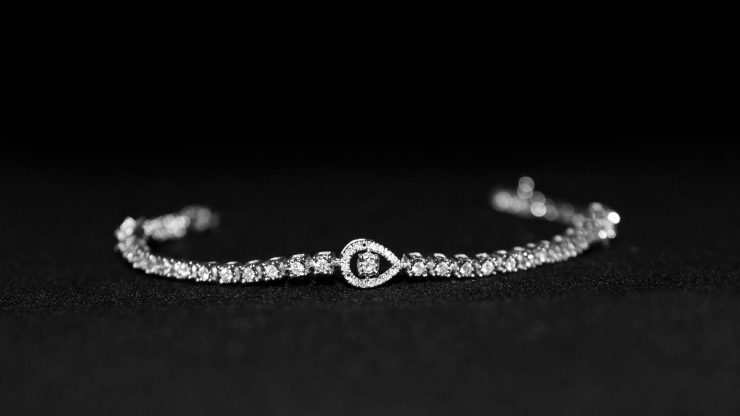
Cloudiness That Doesn’t Go Away
A properly cleaned diamond should reflect light clearly and sparkle with sharp brilliance. If your diamond still looks cloudy after cleaning, something may have gone wrong. Temporary cloudiness can happen from soap residue or lotion buildup, but permanent dullness often points to surface damage.
Harsh household cleaners, especially those containing bleach, chlorine, or abrasive powders, can affect the metal setting and sometimes leave films that are difficult to remove. In some cases, repeated exposure to strong chemicals can also affect fracture-filled diamonds or treated stones. These diamonds contain enhancements that improve appearance, but aggressive cleaning can damage those treatments.
If the stone looks hazy no matter how much you rinse it, pay attention. A diamond should shine, not look like it’s wearing a foggy raincoat. Persistent dullness may signal etching, coating damage, or chemical residue trapped in hard-to-reach areas.
Scratches on the Metal Setting
People often focus only on the diamond itself, but the setting deserves just as much attention. Gold, platinum, and silver are softer than diamonds, which means rough cleaning can damage them quickly. Using hard-bristle toothbrushes, baking soda scrubs, or abrasive cloths may leave visible scratches on prongs, bands, and clasps.
Take a close look under bright light. Fine lines, worn edges, or dull patches on the metal may suggest improper cleaning. While the diamond may remain unharmed, weakened prongs can create a serious risk. A loose stone can slip out faster than you’d expect.
This is especially common with engagement rings that get cleaned too aggressively at home. People scrub like they’re trying to remove burnt cheese from a frying pan. Jewelry needs a gentler touch.
Loose Stones After Cleaning
One of the biggest red flags is a diamond that suddenly feels loose in its setting. Improper cleaning can weaken prongs, especially when jewelry gets exposed to harsh chemicals or excessive ultrasonic cleaning without professional guidance.
You might notice a slight clicking sound when tapping the ring gently near your ear. Sometimes the stone shifts when touched. Other times, the warning sign is visual—one prong may look bent, thinner than the others, or slightly lifted away from the diamond.
This problem needs quick attention. A loose diamond is like a suitcase with a broken zipper. It may hold for a while, but eventually something valuable falls out. Stop wearing the jewelry and have it inspected by a professional jeweler as soon as possible.
Chips Along the Edges
Although diamonds resist scratching well, they can still chip, especially around vulnerable points and edges. Shapes like princess, marquise, and pear cuts often have corners or tips that need extra care. Aggressive brushing, dropping jewelry into hard sinks, or banging it during cleaning can cause tiny chips.
These chips may look like small white dots or uneven edges under magnification. Sometimes they appear as tiny flashes of light in strange places because the broken surface reflects differently. You may not notice them immediately without close inspection.
Even a small chip can affect durability and resale value. It’s like finding a crack in a phone screen. At first, it seems minor. Later, it spreads and becomes impossible to ignore.
Discoloration in the Setting
Improper cleaning often harms the metal before it harms the diamond. Strong chemicals such as chlorine, acetone, and certain bathroom cleaners can cause discoloration, especially in white gold and sterling silver settings.
White gold may lose its bright finish and develop a yellowish tone if the rhodium plating wears down. Silver may darken or tarnish faster after chemical exposure. Platinum can also develop unusual surface changes if cleaned with unsuitable materials.
If your jewelry suddenly looks “off” after cleaning, trust your eyes. Jewelry shouldn’t look like it aged ten years overnight. Discoloration often signals that the cleaning method was too aggressive and the setting now needs professional restoration.
Damaged Coatings or Treatments
Not every diamond on the market is untreated. Some stones receive clarity enhancements, laser drilling, coatings, or fracture filling to improve appearance. These treatments require special care because they may react badly to heat, chemicals, or ultrasonic cleaners.
For example, fracture-filled diamonds can lose their filling material when exposed to high temperatures or strong acids. Coated diamonds may show peeling, uneven color, or strange rainbow-like reflections when the surface layer becomes damaged.
This kind of issue can be easy to miss if you didn’t know the diamond had treatment in the first place. That’s why documentation matters. If a jeweler has ever mentioned enhancements, cleaning should be approached with extra caution.
Unusual Residue Around the Stone
Sometimes damage doesn’t look dramatic. Instead, it shows up as stubborn residue trapped around the diamond, especially under prongs or inside pavé settings. This often happens when people use thick soaps, toothpaste, or DIY cleaning mixtures that leave buildup behind.
Toothpaste, despite old myths, is not a jewelry cleaner. It belongs on your toothbrush, not your engagement ring. Its abrasive particles can scratch metal and leave residue that dulls sparkle over time.
If grime seems harder to remove after cleaning than before, the method may be the problem. Residue can also hide bigger issues like weakened settings or early corrosion underneath the stone.
Changes in Sparkle and Light Performance
Diamonds are prized for brilliance, fire, and scintillation—the way they reflect white light, colored flashes, and sparkle during movement. When improper cleaning affects surface polish or damages the setting, these visual qualities can change.
You may notice the diamond looks flatter, less lively, or strangely uneven in brightness. It may reflect less rainbow light or appear dark in certain areas. Sometimes people assume the diamond simply needs another cleaning, but repeated poor cleaning only makes things worse.
A healthy diamond should catch light naturally. If it suddenly looks sleepy instead of lively, there may be underlying damage affecting its optical performance.
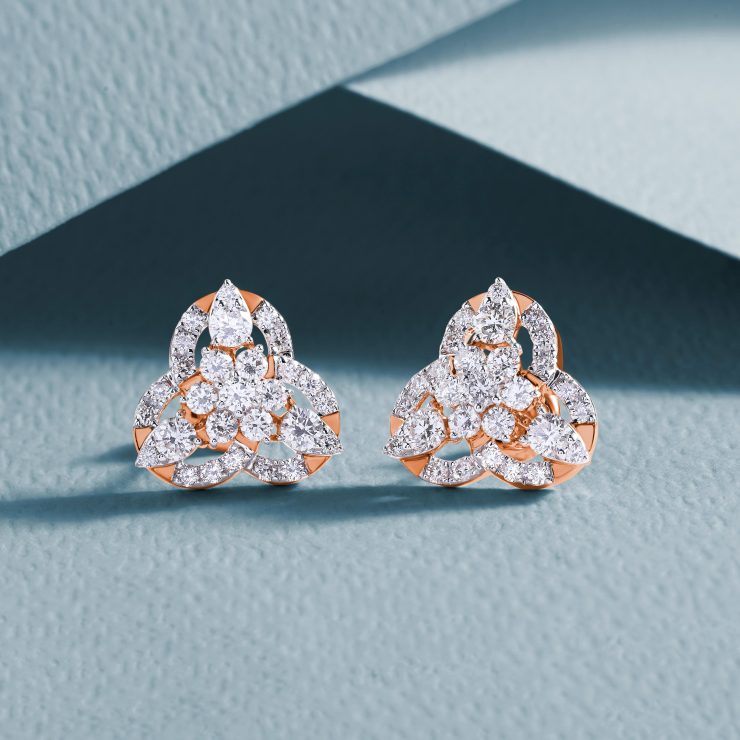
When Professional Inspection Matters
At-home cleaning works well when done correctly, but it has limits. If you notice cloudiness, looseness, chips, scratches, or discoloration, professional inspection becomes important. Jewelers use magnification, steam cleaning, and specialized tools that can identify problems you may miss at home.
Annual inspections are especially useful for rings worn every day. Even careful owners can overlook gradual wear. A jeweler can check prong security, inspect for hidden cracks, and recommend safer maintenance routines based on the stone and setting type.
Think of it like dental checkups. Brushing at home helps, but sometimes you still need an expert to spot trouble before it becomes expensive.
Safer Cleaning Habits for the Future
Preventing damage is easier than repairing it. Warm water, mild dish soap, and a soft toothbrush usually provide safe routine cleaning for most diamond jewelry. A soft lint-free cloth helps with drying, and cleaning over a bowl instead of an open sink prevents accidental drops.
Avoid bleach, chlorine, acetone, toothpaste, and abrasive powders. Skip boiling water and be cautious with ultrasonic cleaners unless you know your stone and setting are suitable for them. Store jewelry separately during cleaning so pieces don’t scratch each other.
Gentle care may sound simple, but simple often wins. Jewelry doesn’t need a dramatic spa treatment. It just needs consistency, patience, and a little common sense.
Conclusion
Improper diamond cleaning often leaves clues if you know where to look. Cloudiness, chipped edges, loose stones, scratched settings, discoloration, and reduced sparkle all suggest that cleaning methods may have caused harm. While diamonds themselves are incredibly durable, the entire jewelry piece depends on careful handling.
Spotting these signs early can save money, protect sentimental value, and prevent permanent damage. A diamond should shine with confidence, not raise suspicion every time it catches the light. When in doubt, gentle cleaning and professional advice remain the safest path. After all, even the strongest gems appreciate a little kindness.