
When you look at a diamond and notice how it sparkles, you’re really seeing light at work. Pavilion depth plays a quiet yet powerful role in that sparkle. It refers to the depth of the lower portion of the diamond, the part that sits below the girdle and ends at the culet. While it might seem like a technical detail, pavilion depth directly shapes how light behaves inside the stone.
Think of the pavilion as a system of angled mirrors. Light enters through the top, reflects off the internal facets, and ideally returns to your eye. If those angles align well, the diamond appears lively and bright. If they don’t, the light escapes. That’s when the diamond can look dull or lifeless. So, while pavilion depth isn’t something you see immediately, you absolutely notice its effects.
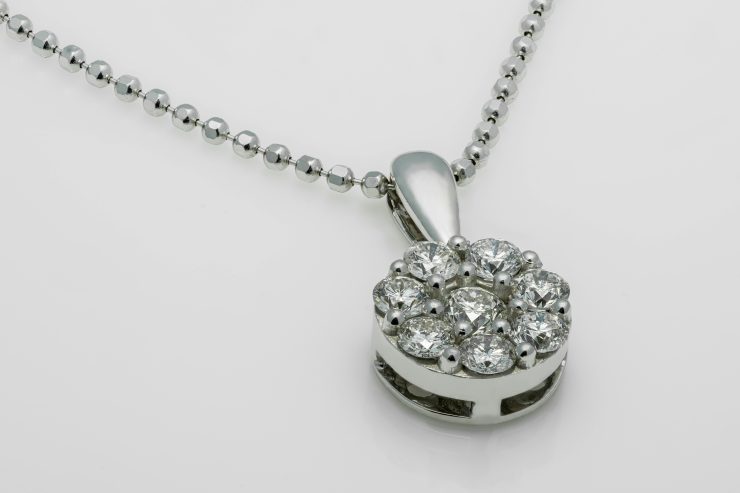
How Pavilion Depth Influences Light Performance
Light performance often gets described using two key ideas: brilliance and fire. Brilliance refers to white light reflection. Fire describes the rainbow flashes you see when light disperses. Pavilion depth sits at the center of this balance.
When pavilion depth falls within an optimal range, light reflects internally and exits through the crown. This creates a bright and lively appearance. However, if the pavilion is too deep, light escapes through the sides or bottom. The diamond may appear darker, sometimes with a shadowy center. On the other hand, if the pavilion is too shallow, light leaks out before it can reflect properly. The result often looks glassy or washed out.
You can imagine it like bouncing a ball inside a bowl. If the angles are right, the ball keeps moving within the space. If not, it flies out quickly. Light behaves in a similar way inside a diamond.
Balancing Fire and Brilliance
Achieving the right mix of fire and brilliance isn’t about maximizing one at the expense of the other. Instead, it involves careful proportioning. Pavilion depth must work in harmony with crown height, table size, and overall cut precision.
A slightly deeper pavilion may enhance fire because it allows more light dispersion. Those colorful flashes can become more pronounced. However, push that depth too far, and brilliance starts to suffer. The diamond loses its brightness and looks less lively overall.
Conversely, a shallower pavilion often boosts brilliance. More white light returns to the eye, creating a bright and crisp appearance. Yet, too little depth reduces dispersion. The diamond may sparkle, though it lacks those vivid rainbow effects.
So, balance becomes the goal. You’re not choosing between fire and brilliance. You’re aiming for a dynamic interplay between both.
Visual Effects of Incorrect Pavilion Depth
Even without technical tools, you can often spot pavilion depth issues with the naked eye. Certain visual cues tend to repeat.
- Too Deep Pavilion
- Dark center or “nail head” effect
- Reduced brightness
- Smaller face-up appearance
- Too Shallow Pavilion
- Washed-out or glassy look
- Weak contrast patterns
- Less noticeable sparkle
These effects don’t just influence beauty. They also impact perceived value. A diamond that fails to reflect light effectively may appear less impressive, even if it has good clarity or color.
How Cut Grading Reflects Pavilion Depth
Grading laboratories evaluate pavilion depth as part of the overall cut grade. They don’t assess it in isolation. Instead, they examine how it interacts with other proportions.
Modern grading systems use advanced modeling to predict light behavior. They simulate how rays travel through the diamond. Based on those simulations, they assign a cut grade that reflects overall performance.
For example, a diamond with excellent proportions will usually fall within a narrow pavilion depth range. Deviations outside that range tend to lower the grade. This doesn’t mean every diamond must follow identical numbers. Slight variations can still produce attractive results. However, extreme deviations rarely perform well.
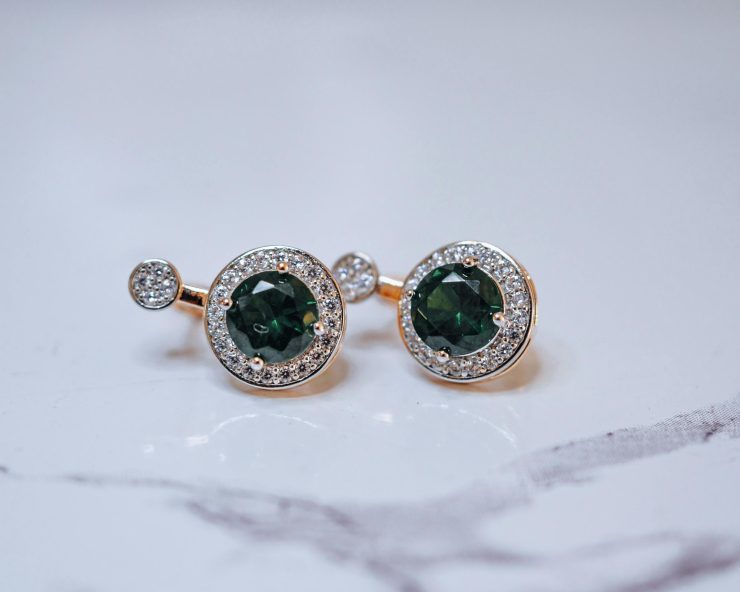
The Relationship Between Pavilion Depth and Diamond Shape
While round brilliant diamonds receive the most attention, pavilion depth matters across all shapes. Each shape has its own ideal proportions. A depth that works for a round diamond may not suit an oval or a cushion.
Fancy shapes often tolerate more variation. Designers sometimes adjust pavilion depth to emphasize specific visual effects. For instance, a deeper pavilion in a cushion cut might enhance fire. Meanwhile, an oval cut may benefit from a shallower depth to improve brightness.
This flexibility adds complexity. It also creates opportunities for unique visual personalities. No two diamonds behave exactly the same, even when they share similar measurements.
Practical Perspective: What You Might Notice
Imagine comparing two diamonds side by side under natural light. One looks bright and lively. The other seems slightly dim, even though both appear clean and colorless. Pavilion depth could explain that difference.
In everyday settings, lighting conditions change constantly. A well-balanced pavilion helps the diamond perform consistently. It maintains sparkle under soft indoor light and bright outdoor sunlight. Poor proportions, however, often reveal themselves quickly. The diamond may look fine in one setting and dull in another.
That consistency often defines quality more than any single visual trait.
Conclusion: Why Pavilion Depth Deserves Attention
Pavilion depth might not grab headlines, yet it quietly shapes everything you see in a diamond. It influences how light enters, reflects, and exits. It determines whether the stone looks brilliant, fiery, or somewhere in between.
Rather than focusing on a single number, it helps to think in terms of balance. Pavilion depth works best when it complements the entire cut. When all elements align, the diamond comes alive. Light dances across its surface. Colors flicker. Brightness holds steady.
In the end, pavilion depth acts like the foundation of a building. You don’t always see it, though everything depends on it.