
Diamonds may be famous for their strength, but that reputation often creates a false sense of security. Many people assume a diamond can survive anything simply because it ranks highest on the hardness scale. In reality, hardness and toughness are not the same thing. A diamond resists scratches very well, yet it can still chip, crack, or lose brilliance if you store it carelessly. Think of it like a strong glass window—hard to scratch, but still vulnerable to a sharp impact.
Proper storage plays a major role in protecting both the stone and its setting. Rings, earrings, necklaces, and bracelets all face risks when they sit loosely in drawers, jewelry bowls, or travel bags. Dust, friction, moisture, and accidental contact with other jewelry can slowly reduce their beauty. Good storage habits help preserve appearance, value, and sentimental importance. A few small changes can prevent expensive repairs later.
Why Diamonds Need Careful Storage
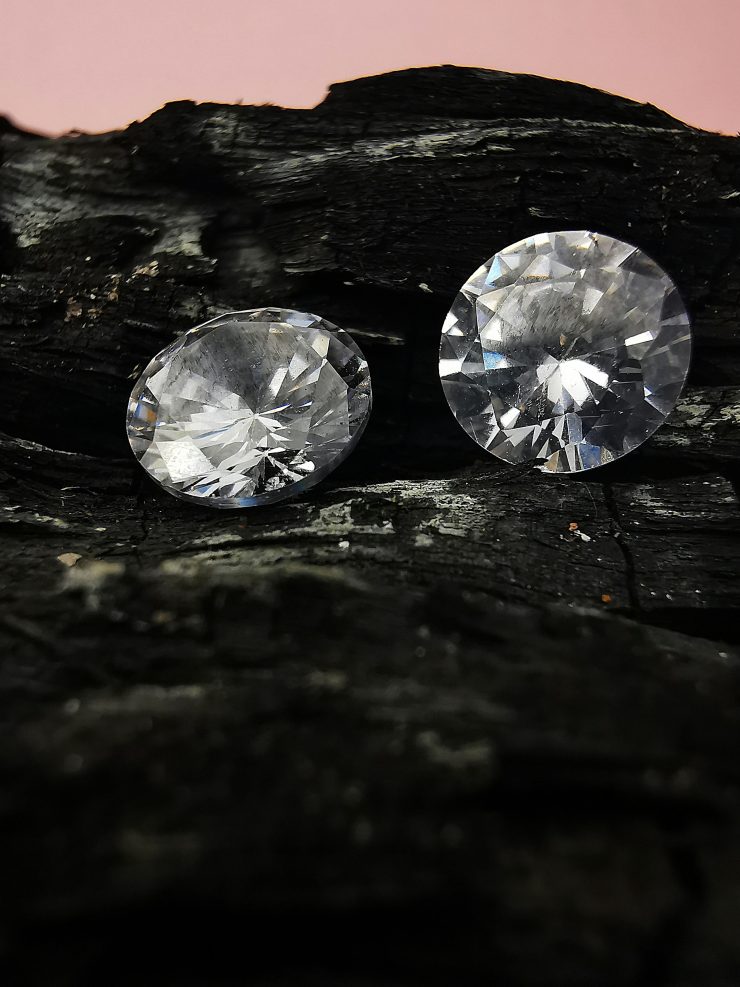
Many people hear the word “diamond” and picture something nearly indestructible. While diamonds are incredibly hard, they can still damage each other. In fact, one diamond can scratch another diamond. If you toss multiple pieces together in one container, you create a small battlefield where stones rub, scrape, and knock against one another.
The metal setting also needs protection. Gold, platinum, and silver can bend, scratch, or loosen over time. A prong that shifts slightly may not seem serious at first, but it can eventually allow the stone to move or even fall out. Storage affects the entire piece, not just the center stone.
Environmental exposure matters too. Humidity, cosmetic residue, and household chemicals can dull shine and affect metal finishes. Even a beautiful velvet-lined jewelry box can become a dust trap if it isn’t cleaned regularly. Safe storage protects against both visible damage and the slow, sneaky kind.
Store Each Piece Separately
One of the best habits you can build is simple: give every diamond item its own space. Rings should not share a compartment with bracelets. Earrings should not sit tangled with necklaces. Separation reduces friction and prevents accidental scratching.
Soft-lined jewelry boxes with individual compartments work well for home storage. Fabric pouches made from microfiber or soft cotton also help protect stones from contact damage. Avoid rough materials that may create abrasion over time. Even small paper envelopes can sometimes leave unwanted marks on metal settings.
If you own several valuable pieces, consider using dedicated ring slots or small zippered cases. Imagine parking luxury cars bumper to bumper without space between them. Jewelry works the same way. A little breathing room makes a big difference.
Choose the Right Jewelry Box
Not all jewelry boxes deserve the title. Some look elegant on the outside but offer poor protection inside. A good storage box should provide soft lining, separate compartments, and secure closure. Materials like velvet, suede, or felt help reduce surface friction.
Boxes with hard plastic interiors or rough unfinished wood may create unnecessary wear. Moisture control also matters. In humid areas, anti-tarnish strips or silica gel packs can help maintain a safer environment, especially for settings made from silver or white gold.
Location matters as much as the box itself. Keep jewelry away from direct sunlight, excessive heat, and bathroom humidity. Bathrooms may seem convenient, but steam from showers can create long-term issues for both stones and metals. A cool, dry bedroom drawer often works much better.
Be Careful During Travel
Travel can turn even careful owners into accidental risk-takers. Many people toss jewelry into a cosmetic bag or suitcase pocket and hope for the best. Unfortunately, that often leads to tangled chains, scratched surfaces, and loose stones.
Use a travel jewelry organizer with padded compartments and secure closures. Small hard-shell cases offer extra protection against pressure from luggage. If you travel with high-value diamond pieces, carry them in hand luggage rather than checked baggage. Lost luggage and fine jewelry make a terrible combination.
It also helps to pack only what you truly plan to wear. Bringing every valuable piece “just in case” increases risk without much reward. Sometimes less really is more, especially at airport security.
Keep Diamonds Away from Household Chemicals
Storage should protect jewelry from chemical exposure as well as physical damage. Perfume, hairspray, lotion, cleaning products, and even some soaps can leave residue on diamonds and affect metal settings. Over time, that buildup reduces sparkle and may weaken the structure holding the stone in place.
Before storing jewelry, make sure it is clean and dry. Never place a ring back into a box while lotion still coats your hands. That habit creates slow buildup like invisible dust settling every day.
Avoid storing diamonds near cleaning supplies or in kitchen drawers where chemical fumes may circulate. Jewelry deserves better neighbors than bleach and oven spray. Separation from harsh products helps preserve brilliance and structural integrity.
Use a Safe for High-Value Pieces
For diamonds with significant financial or sentimental value, a home safe adds another layer of protection. Theft prevention matters just as much as scratch prevention. Fine jewelry often carries emotional history that no insurance payment can fully replace.
Choose a fire-resistant safe with secure locking features. It should stay in a discreet location and remain anchored if possible. For exceptionally valuable collections, some owners prefer bank safe deposit boxes for long-term storage.
Still, accessibility matters. If a piece stays locked away forever, it often gets forgotten. The goal is balance—safe enough to protect, practical enough to use. Jewelry should not feel like a museum exhibit unless that is truly the intention.
Check Stored Jewelry Regularly
Even when jewelry sits untouched, regular inspection helps prevent surprises. Every few months, examine prongs, clasps, and settings for signs of looseness or wear. A diamond that looks secure today may shift tomorrow.
Look for bent prongs, unusual movement, missing accent stones, or scratches on the setting. Professional inspections by a jeweler can catch problems before they become costly repairs. Think of it like checking the tires on a car. Small maintenance prevents bigger trouble later.
Cleaning during these checks also helps maintain brilliance. Dust and skin oils don’t take vacations. Gentle care keeps stored diamonds ready to wear and looking their best.
Avoid Common Storage Mistakes
Some mistakes appear harmless but create long-term damage. Tossing rings into a bedside dish every night may feel convenient, yet repeated contact causes scratches. Wrapping jewelry in tissues can leave fibers behind and may not prevent impact damage. Plastic bags may trap moisture and encourage tarnish in metal settings.
Another common issue involves storing jewelry while dirty. Makeup residue, sunscreen, and sweat can settle into settings and become harder to remove later. Quick convenience today often becomes expensive restoration tomorrow.
The safest rule is simple: clean lightly, dry fully, and store carefully. Diamonds may be forever, but poor habits can make them look tired long before their time.
Final Thoughts
Proper diamond storage is less about luxury and more about consistency. Expensive vaults and elaborate organizers help, but simple daily habits often matter most. Separate each piece, use soft-lined compartments, avoid chemical exposure, and inspect settings regularly. These steps protect sparkle, structure, and long-term value.
A diamond may be one of the strongest natural materials on earth, yet even strength needs support. Good storage works quietly in the background like a reliable friend—easy to overlook, but impossible to replace when something goes wrong.
When you treat diamond jewelry with thoughtful care, you preserve more than appearance. You protect memories, investments, and stories that often shine brighter than the stone itself.