
Art Deco diamond jewelry has a way of stopping people in their tracks. One glance at a bold geometric ring or a sharply detailed diamond bracelet and you can feel the confidence of another era. It doesn’t whisper. It speaks clearly. Even though the Art Deco period reached its height in the 1920s and 1930s, its influence still shapes modern jewelry design today.
What makes this style so lasting? It’s the balance between structure and glamour. Art Deco jewelry combines strong lines with refined sparkle, creating pieces that feel both vintage and surprisingly modern. Unlike softer Victorian or floral Edwardian designs, Art Deco pieces favor symmetry, contrast, and clean architecture. They often look like miniature skyscrapers made of diamonds and precious metals.
For collectors, designers, and everyday jewelry lovers, understanding these timeless design elements helps explain why Art Deco diamond jewelry never seems to go out of fashion. It remains elegant without feeling old-fashioned, and dramatic without becoming excessive.
The Origins of Art Deco Style
Art Deco emerged during a time of major cultural change. After World War I, people wanted freshness, energy, and modern beauty. Cities grew taller, technology moved faster, and fashion shifted toward cleaner lines and stronger silhouettes. Jewelry followed the same path.
The name “Art Deco” comes from the 1925 Exposition Internationale des Arts Décoratifs et Industriels Modernes in Paris. This event celebrated innovation in decorative arts and helped define the movement. Designers moved away from delicate, nature-inspired motifs and embraced shapes inspired by machinery, architecture, and global influences.
Think of the Chrysler Building in New York. Its sharp angles and repeating patterns reflect the same spirit seen in Art Deco jewelry. The style celebrated progress. It loved order. It admired precision. Diamonds became the perfect match because their brilliance enhanced the structured beauty of the designs.
This period also coincided with new cutting techniques, which allowed jewelers to create sharper lines and more complex settings. Suddenly, jewelry could be both technically advanced and visually bold.
Geometric Shapes as the Foundation
If Art Deco jewelry had a signature language, geometry would be its grammar. Straight lines, sharp corners, circles, triangles, rectangles, and zigzags define the look. These shapes create visual rhythm and make each piece feel deliberate.
A typical Art Deco diamond ring might feature a square emerald-cut center stone surrounded by tapered baguette diamonds. Instead of soft curves, you’ll often see stepped edges or angular frames. The design feels precise, almost architectural.
Symmetry also plays a huge role. Each side mirrors the other, creating balance and harmony. This structure gives the jewelry a sense of discipline. It feels confident rather than delicate.
Even small details follow this rule. Milgrain edges, engraved borders, and repeated motifs all contribute to the organized beauty of the piece. Nothing appears random. Every line has a purpose.
This strong geometry explains why Art Deco jewelry still pairs beautifully with modern fashion. A sleek black dress and an angular diamond bracelet feel like old friends meeting again.
The Importance of Diamond Cuts
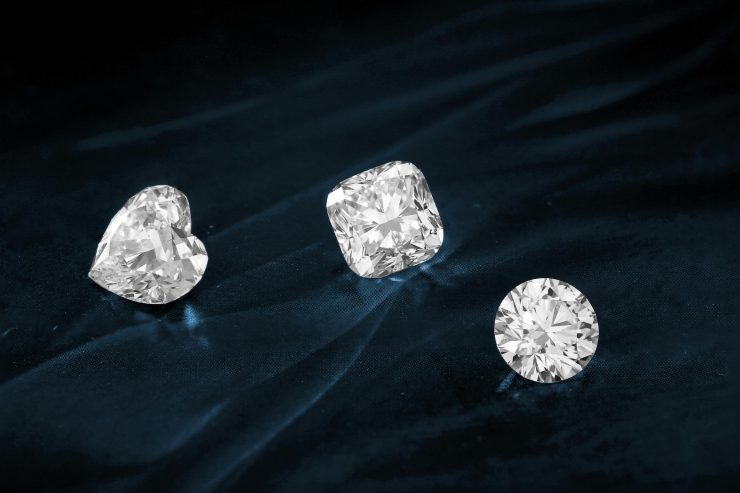
Not all diamond cuts fit the Art Deco spirit. Round brilliant diamonds can certainly appear in these pieces, but the stars of the era were step-cut stones like emerald cuts, Asscher cuts, baguettes, and carré cuts.
These cuts emphasize clarity and clean lines rather than maximum sparkle. Instead of explosive brilliance, they offer a hall-of-mirrors effect. Light moves in elegant flashes, not fireworks. It’s less disco ball, more polished ballroom.
The emerald cut became especially popular because its rectangular shape matched the geometric style perfectly. Asscher cuts, with their square shape and cropped corners, also became iconic. Baguette diamonds often served as side stones, creating sleek borders and linear accents.
This focus on shape over flash gave Art Deco jewelry a distinct personality. It valued sophistication over excess. The diamonds didn’t need to shout because the design already had a strong voice.
For example, an emerald-cut diamond framed by calibré-cut sapphires creates instant Art Deco character. It’s crisp, balanced, and unforgettable.
Platinum and White Metals Leading the Way
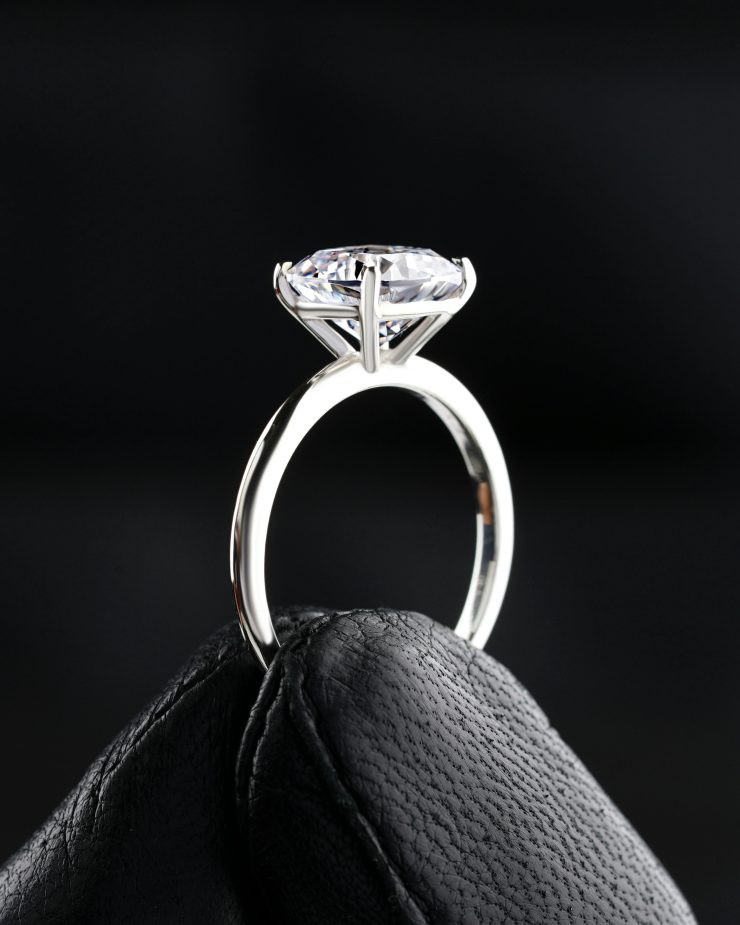
Metal choice matters just as much as stone selection. During the Art Deco era, platinum became the metal of choice for high-end diamond jewelry. Its strength allowed jewelers to create delicate yet secure settings, which made intricate designs possible.
Platinum also enhanced the cool brilliance of diamonds. Unlike yellow gold, which adds warmth, platinum creates a bright white backdrop that sharpens the stone’s visual impact. It’s like placing a spotlight behind a performer.
White gold also gained popularity, especially as it offered a more affordable alternative with a similar appearance. Together, these metals helped define the sleek and modern feel of the style.
Filigree work often appeared in platinum settings, adding texture without softness. Openwork patterns created lightness while preserving structure. The result looked airy yet disciplined.
Today, many vintage-inspired engagement rings still use platinum because it captures that unmistakable Art Deco elegance. It proves that good design, much like good coffee, never really goes out of style.
Bold Contrast Through Colored Gemstones
Art Deco jewelry rarely relied on diamonds alone. Designers loved contrast, and colored gemstones added drama and personality. Sapphires, emeralds, rubies, onyx, jade, coral, and even lacquer played important roles.
Black onyx paired with white diamonds created striking visual tension. Sapphires framed diamonds with deep blue richness. Emeralds added vivid green sophistication. These combinations made the jewelry feel graphic and memorable.
Instead of soft blending, Art Deco embraced strong distinction. It wanted contrast you could notice from across the room. The effect often resembled stained glass or fine architecture rather than traditional romantic jewelry.
Calibré-cut gemstones became especially important. These stones were custom cut to fit exact spaces within a design, allowing jewelers to create smooth, uninterrupted patterns. It required serious craftsmanship and patience.
Imagine trying to fit puzzle pieces made of gemstones where every corner matters. That’s the level of precision involved.
This use of color made Art Deco jewelry highly expressive. It turned diamond pieces into visual statements rather than simple accessories.
Influence from Global Art and Architecture
Art Deco didn’t grow in isolation. Designers drew inspiration from many cultures and artistic movements. Egyptian motifs became especially popular after the discovery of King Tutankhamun’s tomb in 1922. Suddenly, lotus flowers, scarabs, and bold symmetrical forms entered jewelry design.
Asian influences also appeared through jade carvings, lacquer details, and strong linear patterns inspired by Chinese and Japanese decorative arts. Indian jewelry traditions contributed vibrant gemstone combinations and bold ornamentation.
At the same time, modern architecture shaped the visual language. Skyscrapers, industrial design, and machine-age aesthetics all influenced jewelry structure. Pieces began to resemble city skylines or decorative building facades.
This mix of cultural references gave Art Deco jewelry depth. It wasn’t just fashionable. It reflected curiosity about the wider world and excitement about the future.
That global influence still resonates today because it creates pieces that feel artistic rather than trend-driven. They tell stories through shape and symbolism.
Why Art Deco Diamond Jewelry Still Feels Modern
Fashion changes quickly. Jewelry trends can vanish faster than a New Year’s resolution. Yet Art Deco keeps returning because its design principles are timeless.
Minimalist lovers appreciate the clean lines. Vintage enthusiasts love the history. Luxury buyers value the craftsmanship. Even people who usually avoid antique styles often find themselves drawn to Art Deco because it feels fresh instead of fragile.
Its structure fits modern aesthetics beautifully. A geometric diamond ring looks just as natural beside a contemporary wedding band as it does in a vintage collection. The style bridges generations without effort.
There’s also an emotional appeal. Art Deco jewelry reflects confidence, independence, and bold personal style. It feels intentional. You don’t accidentally wear an Art Deco ring. You choose it.
That clarity gives the style staying power. Trends may come and go, but confidence always has excellent resale value.
Choosing and Appreciating Art Deco Pieces Today
When exploring Art Deco diamond jewelry today, buyers often choose between authentic vintage pieces and modern designs inspired by the era. Both offer value, but each serves a different purpose.
Original antique pieces carry history, craftsmanship, and unique character. You may notice hand-cut stones, old engraving techniques, or signs of wear that add charm rather than reduce beauty. These details feel human and alive.
Modern reproductions offer stronger durability for daily wear and often allow for customization. Someone may want an Art Deco-inspired engagement ring with modern ethical sourcing or a lab-grown center stone. That blend of old style and new values works well.
Either way, understanding the design elements helps you recognize quality. Look for symmetry, precise stone placement, strong geometry, and intentional contrast. If the piece feels balanced and visually sharp, you’re likely seeing the true spirit of Art Deco.
A good Art Deco design doesn’t beg for attention. It simply earns it.