
Fancy colored diamonds sit in a category of their own. While colorless diamonds often follow broader jewelry market cycles, colored diamonds behave more like rare collectible assets. Their prices depend on scarcity, collector demand, auction visibility, and shifting global wealth patterns. Over decades, these stones have built a reputation for resilience, especially in the high-end luxury and investment sectors.
Unlike traditional white diamonds, fancy colored diamonds gain value from the strength and purity of their color. A vivid pink, deep blue, or intense green stone may command prices that seem almost unbelievable when compared to a similar-sized colorless diamond. That price difference isn’t just about beauty. It reflects extreme rarity. In some cases, nature produced only a handful of comparable stones in an entire decade. That scarcity creates a market where long-term pricing follows very different rules.
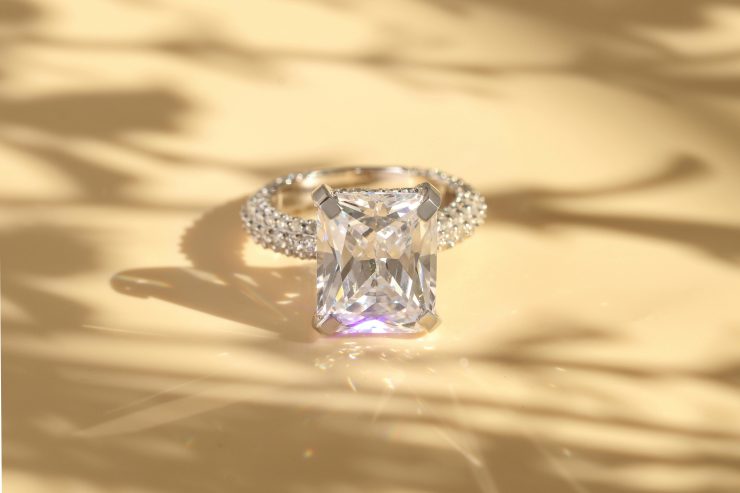
Understanding What Makes Fancy Colored Diamonds Valuable
Color is the headline act, but it isn’t the whole performance. Several factors shape the long-term price of these diamonds. Hue, saturation, tone, clarity, cut, and carat weight all matter. However, color intensity often carries the greatest influence. A Fancy Vivid pink diamond can sell for dramatically more than a Fancy Light pink diamond of similar size.
Think of it like fine wine. Two bottles may come from the same vineyard, yet one vintage becomes legendary because conditions aligned perfectly. Fancy colored diamonds work in much the same way. Slight differences in natural formation can create massive differences in value.
Rarity also differs by color. Yellow diamonds are more common than pink or blue diamonds. Red diamonds are so rare they almost feel mythical. Because supply varies so sharply between colors, each category follows its own price trend. You can’t place all fancy colored diamonds under one market umbrella and expect an accurate picture.
Historical Performance Over the Last Few Decades
Looking back over the past thirty years, many fancy colored diamonds have shown strong upward price movement. Pink and blue diamonds, in particular, have posted some of the most remarkable gains. Auction houses regularly reported record-breaking sales, and private collectors increasingly treated these stones as wealth preservation tools rather than simple jewelry purchases.
During periods of economic uncertainty, ultra-rare assets often attract attention. Investors who worry about inflation, currency weakness, or stock market volatility sometimes shift interest toward portable hard assets. Gold gets the spotlight, of course, but exceptional diamonds quietly enter the same conversation.
From the early 2000s through the late 2010s, pink diamonds gained especially strong momentum. The closure announcement of the Argyle Mine in Australia played a major role. Since Argyle supplied most of the world’s pink diamonds, the market reacted quickly. Buyers understood the simple math: when the tap turns off, scarcity rises. Prices followed.
The Impact of the Argyle Mine Closure
Few events changed the fancy colored diamond market as dramatically as the closure of the Argyle Mine in 2020. For decades, this mine served as the primary source of rare pink diamonds, along with some purples and reds. Once production ended, the industry lost its most important supplier almost overnight.
This wasn’t just a headline for gem enthusiasts. It shifted long-term pricing expectations across the market. Existing Argyle pink diamonds became finite assets. Collectors began viewing them almost like limited-edition masterpieces. No new supply meant stronger competition for existing stones.
Imagine a famous artist announcing there will never be another original painting. Suddenly, every authenticated work becomes more significant. That same psychology shaped pink diamond pricing. Stones with Argyle certification often gained additional prestige, and buyers placed a premium on traceable origin.
Blue Diamonds and Their Consistent Prestige
Blue diamonds occupy another fascinating corner of the market. They have long symbolized elite rarity, partly because truly fine blue diamonds are astonishingly scarce. Their rich association with famous historic gems and royal collections also adds emotional value that pushes prices higher.
Unlike some luxury trends that fade with time, blue diamonds tend to hold steady demand among high-net-worth collectors. Their market feels less like fashion and more like legacy acquisition. Buyers often aren’t asking what looks trendy this year. They’re asking what will still matter twenty years from now.
Auction results support this stability. Large vivid blue diamonds consistently attract global attention and fierce bidding. Even when broader luxury markets soften, exceptional blue stones often remain insulated because the buyer pool operates on a different financial level.
Yellow Diamonds: Strong Demand with Different Dynamics
Yellow diamonds tell a different story. They are more accessible than pink or blue diamonds, which creates a broader buyer base. This wider market can bring healthy liquidity, but it also means pricing behaves less dramatically. Yellow diamonds may appreciate steadily, though they rarely produce the same explosive jumps seen in pinks.
Still, that doesn’t make them less important. In fact, many buyers enter the fancy colored diamond world through yellow stones because the price barrier feels less intimidating. Strong canary yellows with excellent clarity and cut can still command impressive premiums.
Their value also benefits from jewelry design trends. Luxury brands frequently showcase yellow diamonds in statement pieces, which keeps consumer interest alive. They may not be the wild sports car of the market, but they are often the dependable grand tourer—stylish, respected, and built for the long road.
Auction Houses and Price Transparency
Auction houses have played a major role in shaping long-term pricing trends. High-profile sales create public benchmarks that private transactions often follow. When a vivid blue diamond sells for a record-breaking figure, the market takes notes.
These auction results also influence perception. Luxury markets thrive on narrative, and a famous stone with media attention can raise confidence across an entire category. Suddenly, collectors begin reassessing what similar diamonds should be worth.
However, auction prices can also create illusions. Not every pink diamond becomes a treasure chest on legs. Provenance, certification, shape, and overall desirability still matter. Buyers must separate exceptional headline stones from average commercial inventory. Otherwise, expectations drift into fantasy territory faster than a reality show finale.
Economic Cycles and Global Wealth Influence
Fancy colored diamonds don’t exist in isolation. Global wealth trends strongly affect demand. When luxury spending rises in regions such as Asia, the Middle East, and North America, premium gemstone markets often benefit. Wealth migration changes buyer behavior, and new collectors can reshape demand quickly.
Currency strength also matters. Since diamonds trade internationally, exchange rates influence purchasing decisions. A stronger dollar or weaker local currency may change buying appetite in important markets.
Interestingly, these diamonds often perform differently from mainstream retail jewelry during recessions. Ultra-rare stones attract ultra-wealthy buyers whose spending patterns may remain stable even during downturns. It’s a reminder that the top end of the diamond market plays chess while the rest of retail sometimes feels like checkers.
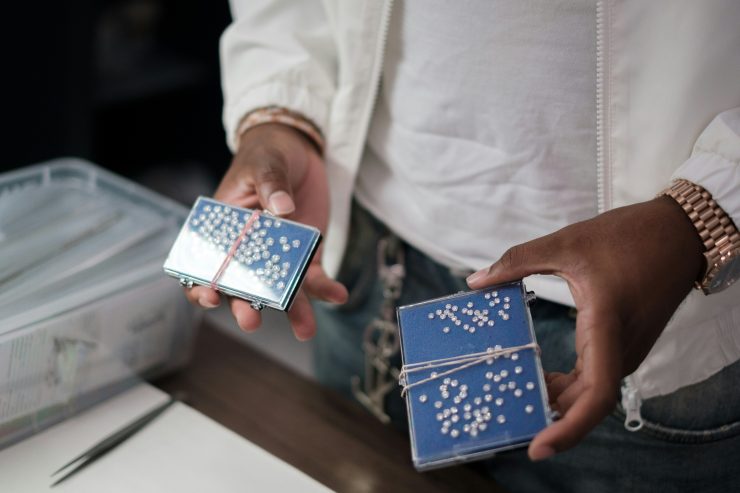
Lab-Grown Diamonds and Market Separation
Lab-grown diamonds have transformed parts of the jewelry industry, but their effect on fancy colored natural diamonds remains limited at the high-investment level. Collectors seeking rare natural pink, blue, or green diamonds usually focus on geological rarity and provenance. A laboratory-created version doesn’t satisfy the same purpose.
It’s the difference between owning a museum original and owning a flawless print. Both may look beautiful, but they serve different emotional and financial roles.
That said, lab-grown colored diamonds have increased consumer awareness of color itself. More people now explore colored stones, which can indirectly support natural diamond interest. Still, long-term value trends remain firmly tied to natural rarity, not manufacturing capability.
What Long-Term Buyers Should Watch
Anyone studying price trends should focus less on short-term hype and more on structural scarcity. Mine closures, certification quality, origin reports, and auction history matter far more than temporary social media buzz.
Patience also matters. Fancy colored diamonds rarely behave like quick-flip investments. Their strength often reveals itself over years, not months. Buyers who expect overnight returns may leave disappointed. Those who understand rarity tend to think in decades.
Documentation is equally critical. Strong grading reports from respected laboratories create trust, and trust drives pricing. Without clear certification, even a beautiful stone may struggle to achieve premium resale value later.
Conclusion
Long-term price trends in fancy colored diamonds reveal a market shaped by rarity more than routine. Pink diamonds surged with the end of Argyle production. Blue diamonds maintained prestige through enduring scarcity and collector demand. Yellow diamonds offered steadier, broader-market growth. Across all categories, the lesson remains the same: supply is limited, and true quality is even rarer.
These diamonds aren’t simply sparkling accessories. In many cases, they function as portable records of geological luck and market psychology. Their prices rise not because fashion says so, but because nature made so few of them in the first place. When scarcity meets desire, value tends to follow—and in the world of fancy colored diamonds, that story has been unfolding for generations.