
Diamonds often carry a reputation for being nearly indestructible. People hear that diamonds are the hardest natural substance on Earth and assume they can handle almost anything. While diamonds are extremely hard, brilliance tells a different story. That famous sparkle depends less on toughness and more on surface condition, cleanliness, and how light moves through the stone.
Everyday chemicals can quietly interfere with that brilliance. Hand lotion, perfume, cleaning sprays, hairspray, soap residue, and even cooking grease can leave films that dull a diamond’s shine. In some cases, harsh substances may also weaken metal settings, which creates a different kind of risk. A diamond may survive, yet its beauty can fade behind layers of invisible buildup.
Understanding how common household products affect diamonds helps people protect both appearance and long-term value. Sometimes the biggest enemy of sparkle isn’t damage at all. It’s neglect disguised as normal daily life.
Why Diamond Brilliance Depends on Clean Surfaces
A diamond shines because of the way it reflects and refracts light. Light enters the stone, bounces around inside, and exits through the top in bright flashes. This process creates brilliance, fire, and scintillation—the three qualities people notice when a diamond seems to “dance” under light.
Even a thin film of residue can interrupt that performance. Think of it like trying to look through a clean window versus one covered with fingerprints. The glass still exists, yet the clarity changes completely. Diamonds behave the same way.
Oils from your skin are one of the biggest culprits. Every time you touch a ring, natural skin oils transfer onto the stone. Add hand cream, sunscreen, or dish soap, and that layer thickens. Suddenly, the diamond looks sleepy instead of lively.
The stone itself may remain unharmed, yet the visual impact changes dramatically. That’s why brilliance often depends more on maintenance than people expect.
Lotions, Creams, and Beauty Products
Hand lotion is probably the most common sparkle thief. People apply moisturizer several times a day without thinking about the ring sitting on the same finger. Thick creams contain oils, waxes, and silicones that cling stubbornly to diamond surfaces.
Over time, this creates a cloudy coating. It doesn’t happen overnight. Instead, brilliance fades gradually, which makes it easy to ignore. One day, the ring simply looks less impressive than it used to.
Perfume and hairspray can cause similar problems. Fine mist particles settle onto jewelry and leave behind residue. Makeup products, especially foundation and powder, may also collect around prongs and under the setting.
It’s a bit like trying to keep a mirror spotless in a bathroom. No single splash ruins it, yet daily exposure builds up faster than expected.
Removing rings before applying beauty products often helps reduce this issue. Small habits protect big sparkle.
Household Cleaning Products and Hidden Risks
Many people clean their homes while still wearing diamond jewelry. It feels harmless because the diamond itself seems strong enough to survive bleach, dish soap, or bathroom sprays. The problem usually isn’t the diamond alone.
Harsh chemicals such as chlorine bleach, ammonia-heavy cleaners, and abrasive scrubbing products can weaken precious metals like gold, white gold, and platinum over time. Prongs may thin, settings may loosen, and structural wear can develop slowly.
Imagine polishing a fence while rust quietly eats the screws. The surface may look fine, yet the support underneath becomes vulnerable.
Bleach deserves special attention. Frequent exposure may damage alloys used in gold jewelry, especially in white gold settings. Chlorine from pools and hot tubs can also contribute to this wear.
A loose setting creates a serious problem. The diamond may not lose brilliance, but it may disappear entirely. That’s a much more expensive lesson.
Soap, Shampoo, and Bath Products
Soap sounds harmless because it is associated with cleaning. Ironically, soap often makes diamonds look dirtier. Many soaps contain moisturizers, fragrance oils, and softening agents that leave residue rather than removing it completely.
Shampoo, conditioner, and body wash can collect under rings during showers. Bath bombs and bath oils make the issue worse because they are designed to coat skin with softening ingredients.
This buildup forms especially fast in intricate settings with small spaces around the diamond. Halo rings and vintage designs often trap residue like tiny storage boxes.
Washing dishes presents another challenge. Grease from food combines with soap film and creates a stubborn layer. A ring worn during cooking and cleaning may gather more grime in one weekend than expected.
The result is simple: the diamond looks flat, even though nothing is technically wrong with the stone.
Swimming Pools, Hot Tubs, and Chemical Exposure
Pools and hot tubs may seem unrelated to jewelry care, yet they create real risks. Chlorine is strong enough to sanitize water, which means it is also strong enough to affect fine jewelry over time.
Repeated chlorine exposure can weaken prongs and metal settings, especially in gold alloys. Hot tubs often increase that effect because heat speeds up chemical reactions. Warm water also causes fingers to shrink slightly, which makes rings easier to slip off unnoticed.
That combination—chemical exposure plus accidental loss—is a perfect storm.
Saltwater pools create different concerns. Salt residue may collect on jewelry and dull shine if it isn’t cleaned away properly.
Swimming with diamond rings might feel glamorous, but from a maintenance perspective, it’s more like wearing silk in the rain. It may survive, yet it usually isn’t the best idea.
Can Chemicals Damage the Diamond Itself?
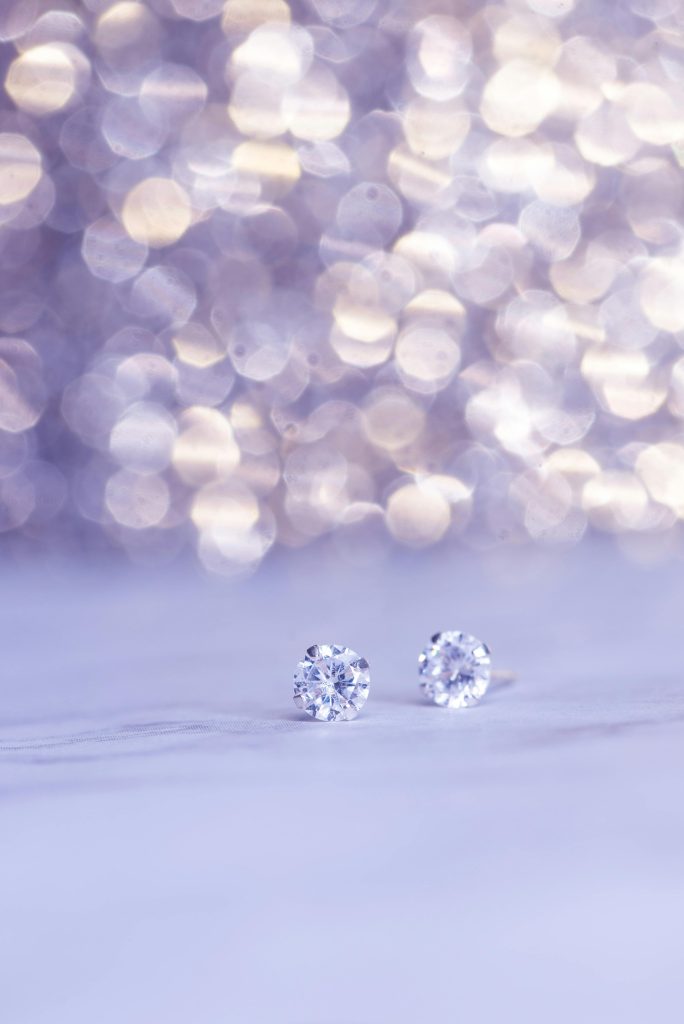
In most everyday situations, the diamond itself remains chemically stable. Diamonds resist many common substances better than softer gemstones like opals or pearls. They do not dissolve easily, and they rarely react with household chemicals directly.
However, “safe” doesn’t mean immune.
Certain harsh impacts combined with chemical neglect can create indirect problems. If residue hides chips, loose prongs, or scratches on surrounding metal, small issues may grow unnoticed. Ultrasonic cleaners used incorrectly can also worsen existing fractures in heavily included diamonds.
Additionally, diamonds attract grease easily because of their surface properties. This natural tendency means oily substances cling faster than many people realize.
So while chemicals may not melt or corrode the stone itself, they absolutely affect how that diamond looks and how securely it stays in place.
Simple Habits That Preserve Brilliance
Protecting diamond brilliance doesn’t require complicated routines. Usually, consistency matters more than expensive products.
A few habits make a major difference:
- Remove rings before applying lotion, perfume, or hairspray
- Take jewelry off before cleaning with bleach or strong chemicals
- Avoid wearing rings in pools and hot tubs
- Clean diamonds gently with warm water, mild soap, and a soft brush
- Dry jewelry with a lint-free cloth instead of paper towels
- Schedule professional inspections to check prongs and settings
These steps sound small, yet they work like routine maintenance for a car. Skip them long enough, and problems appear. Stay consistent, and the shine lasts much longer.
Brilliance is rarely lost in one dramatic moment. More often, it fades quietly through ordinary habits.
Conclusion
Everyday chemicals rarely announce themselves as threats to diamond brilliance. They arrive quietly through lotion, shampoo, kitchen grease, cleaning sprays, and pool water. Because these products feel harmless, people often overlook the effect they have on sparkle and setting security.
A diamond’s beauty depends on light, and light needs a clean path. Residue blocks that path. Harsh chemicals weaken the metal framework that protects the stone. Together, they turn a brilliant piece of jewelry into something that looks tired and worn.
The good news is that prevention is simple. Awareness changes everything. A few careful habits can preserve the fire, brilliance, and beauty that made the diamond special in the first place.
Sometimes sparkle doesn’t disappear because time passed. It disappears because hand lotion won the battle.