
A diamond may be one of the hardest natural materials on Earth, but that doesn’t mean it stays flawless forever. Daily wear, accidental knocks, dust buildup, and contact with lotions or household products can slowly affect how a diamond looks. Over time, even a high-quality stone may seem less lively than it once did. Many people assume the problem is dirt alone, yet sometimes the issue goes deeper. Surface scratches, worn facet edges, and tiny abrasions can reduce brilliance and make the stone appear tired rather than radiant.
Re-polishing is the process of restoring the diamond’s surface by carefully refining its facets. It can bring back light performance and improve visual appeal when done correctly. However, re-polishing isn’t something to rush into. Since the process removes a small amount of material, timing matters. Knowing when to re-polish—and when simple cleaning is enough—helps protect both beauty and value.
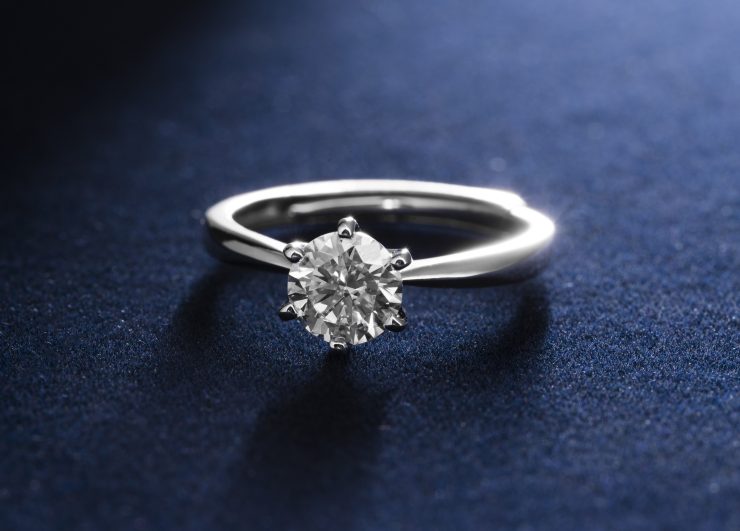
Understanding What Diamond Re-Polishing Actually Means
Many people confuse cleaning with re-polishing, but they are very different services. Cleaning removes dirt, oil, and residue from the surface. Re-polishing changes the actual structure of the diamond’s exterior by smoothing scratches, refining worn facets, and improving the finish.
Think of it like cleaning a window versus replacing scratched glass. One removes surface grime. The other restores the material itself.
A professional cutter uses precision equipment to polish damaged areas while preserving the original shape as much as possible. In some cases, re-polishing also improves symmetry and light reflection. This can make the stone look brighter and sharper, especially under natural light.
Still, re-polishing requires expertise. Too much material removal can affect carat weight, proportions, and even certification details. That’s why the process should never be treated like routine maintenance.
Signs Your Diamond May Need Re-Polishing
The most obvious clue is reduced sparkle that doesn’t improve after professional cleaning. If your diamond still looks dull after dirt and oils are removed, the issue may be physical wear rather than simple buildup.
Another sign is visible scratches. Although diamonds resist scratching from most materials, they can still be damaged by contact with other diamonds or hard substances. Tiny abrasions often appear on facet junctions or around the girdle.
Chipped edges also deserve attention. Even small chips can interrupt how light travels through the stone. Instead of bright flashes, you may notice flat or cloudy areas.
Older family heirloom pieces often show signs of wear as well. Decades of use can soften facet edges and create a less crisp appearance. In these cases, re-polishing may restore visual sharpness without changing the sentimental value.
Sometimes the setting tells the story. If prongs rub against the stone or the ring has taken frequent impact, the diamond may carry hidden wear that only a jeweler can detect under magnification.
When Cleaning Is Enough and Re-Polishing Isn’t Needed
Not every dull diamond needs re-polishing. In fact, many stones only need a thorough professional cleaning. Soap residue, hand cream, sunscreen, and everyday dust create a film that blocks light. Even the finest diamond can look sleepy under a layer of buildup.
For example, someone may think their engagement ring has “lost its sparkle” after a few months. Often, the culprit is hand lotion and kitchen grease rather than damage. A simple ultrasonic or steam cleaning may solve the issue immediately.
This is why inspection comes first. A trusted jeweler should examine the stone before suggesting re-polishing. If the facets remain sharp and no real wear exists, removing material would be unnecessary.
In short, don’t bring out the hammer for a loose nail. Start small.
How Re-Polishing Can Affect Diamond Value
Re-polishing can either help or hurt value depending on how and why it is done. If the diamond has visible damage that lowers appearance, careful re-polishing may improve market appeal and even resale potential. Buyers often respond strongly to visual brilliance.
However, every polish removes a tiny amount of diamond. This can reduce carat weight. If the stone crosses an important weight threshold—such as dropping below 1.00 carat—the market value may decrease significantly.
Certification also matters. If the diamond is graded by organizations like the Gemological Institute of America, major changes may require re-certification. Measurements, proportions, and polish grades could change after the work is completed.
Collectors and investors may also hesitate if the original cut has been altered too much. Antique diamonds, for example, often carry value because of their historic cutting style. Re-polishing them aggressively can erase part of that character.
Because of this balance, the goal should be improvement, not perfection.
The Best Time to Consider Re-Polishing
Timing often depends on purpose. If you plan to sell the diamond, re-polishing may make sense before listing it, especially if visible wear affects first impressions. Buyers notice sparkle fast. A brighter stone often creates stronger interest.
Before resetting a diamond into new jewelry is another ideal moment. Since the stone is already being removed from its setting, inspection and restoration become easier and safer.
Insurance evaluations can also trigger the decision. During appraisal, a jeweler may identify wear that should be addressed to preserve long-term value.
For heirloom jewelry, re-polishing often happens during restoration projects. Families may want to preserve both beauty and structure before passing the piece to the next generation.
Still, timing should never be based on impatience. If the diamond looks healthy and performs well, waiting may be the smarter choice.
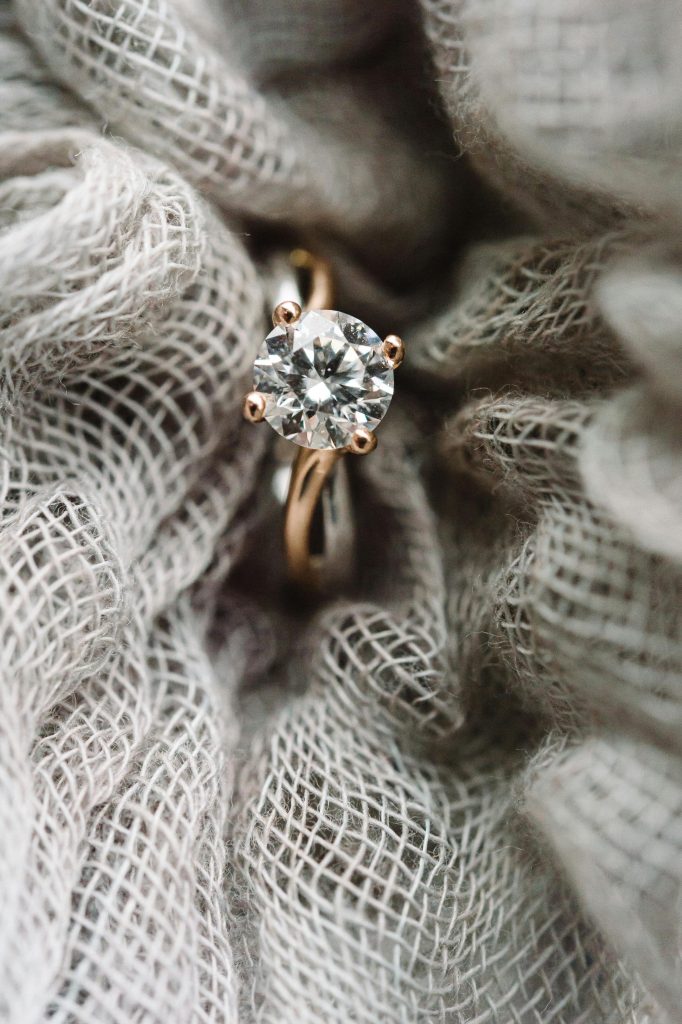
Who Should Perform Diamond Re-Polishing
This job belongs to experienced professionals only. Not every jeweler handles re-polishing in-house. Many send stones to specialized diamond cutters who work with advanced polishing equipment and understand facet precision.
Before agreeing to the process, ask clear questions. Will the shape change? Could the carat weight drop? Will the original certificate still match? What risks exist for the setting removal?
A reputable professional should explain the trade-offs honestly instead of promising miracle results.
Avoid anyone who treats re-polishing like a quick cosmetic touch-up. Diamonds are not kitchen countertops. Once material is removed, there’s no undo button.
Choosing someone with experience in your specific diamond shape also matters. Round brilliants, princess cuts, emerald cuts, and antique stones each require different handling.
How Often Should a Diamond Be Re-Polished
For most people, rarely. A diamond should not be re-polished on a regular schedule like a car service. It’s a corrective treatment, not a seasonal beauty routine.
Some diamonds may never need it. Others, especially rings worn daily for decades, might benefit once in a lifetime. Frequent polishing increases the risk of unnecessary weight loss and structural changes.
Instead of focusing on frequency, focus on condition. Annual inspections by a qualified jeweler help identify real issues early. Combined with proper cleaning and secure settings, this often prevents the need for major restoration later.
Think of re-polishing as surgery, not skincare. Useful when necessary, but not something you book for fun.
Final Thoughts
A diamond’s sparkle depends on more than its original cut. Time, wear, and daily life all leave their fingerprints behind. Re-polishing can restore brilliance when scratches, abrasions, or chipped edges begin to interrupt light performance. Done carefully, it helps a diamond look alive again.
Yet timing is everything. Cleaning should always come first. Professional inspection should guide the decision. And preserving value should matter just as much as improving appearance.
The brightest choice is not always the fastest one. Sometimes your diamond needs polish. Sometimes it simply needs soap and warm water. Knowing the difference protects both beauty and investment for years to come.