
A diamond often carries more than financial value. It may mark an engagement, celebrate an anniversary, or preserve a family story passed down through generations. That emotional weight can make damage or loss feel even worse. In those moments, filing an insurance claim may seem overwhelming, especially when stress clouds every decision.
Still, the way you handle the first few steps can shape the entire outcome. Good documentation, clear communication, and a calm approach often make the difference between a smooth claim and a frustrating one. Insurance companies usually require proof, timelines, and accurate details. If you prepare those early, the process becomes far less intimidating.
Think of it like building a case. You are not just saying, “My diamond is gone.” You are showing what it was, what happened, and why the claim deserves careful attention. That preparation matters whether the issue involves a chipped stone, a missing center diamond, or a ring that vanished during travel.
Understanding how claims work helps you protect both your jewelry and your peace of mind.
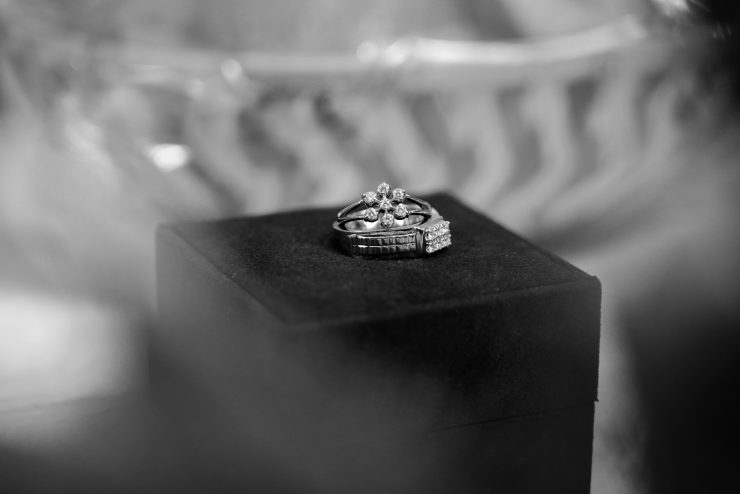
Start with Your Insurance Policy
Before anything else, review your insurance policy carefully. Many people assume all jewelry losses receive automatic coverage, but policies often contain limits, exclusions, and special conditions. A standard homeowners or renters policy may offer only limited jewelry protection, while a separate jewelry rider or scheduled policy usually provides broader coverage.
Look for details about accidental damage, mysterious disappearance, theft, and repair versus replacement terms. For example, some policies cover a stolen engagement ring but may not cover gradual wear that caused a loose stone to fall out. Others may replace the item with a “similar equivalent” rather than paying cash based on sentimental value.
Language matters here. “Replacement value” and “actual cash value” sound similar, yet they can lead to very different payouts. One focuses on current replacement cost, while the other may factor in depreciation.
Reading policy terms may feel about as exciting as watching paint dry. However, it saves major headaches later. If anything feels unclear, contact your insurer and ask direct questions. Clarity now prevents arguments later.
Document the Damage or Loss Immediately
Time matters. As soon as you notice damage or loss, start documenting everything. Delay can create doubt, and insurance companies often want prompt reporting.
Take clear photos of damaged jewelry from multiple angles. If a diamond is chipped, cracked, or loose, capture close-up images with good lighting. If a prong bent or the setting failed, photograph that too. These details help support your explanation and show the condition before repair.
For lost jewelry, write down exactly when and where you last saw it. Include dates, locations, and circumstances. Did the ring disappear during a hotel stay? Did you notice the center stone missing after gardening? Even small details can matter.
Keep all related receipts, appraisals, certificates, and previous repair records. Documents from organizations like the Gemological Institute of America can strengthen identification if you have a grading report.
Think of this step as creating breadcrumbs. The clearer the trail, the easier it becomes for your insurer to follow.
File a Police Report When Necessary
If theft is involved, report it to local law enforcement as soon as possible. Many insurers require a police report before they process a theft claim. Without one, your claim may slow down or face rejection.
Be specific in your report. Include the jewelry description, diamond shape, carat size if known, metal type, engravings, and any certification numbers. If the ring had a unique design, mention that too. A plain “gold ring with diamond” description is weak. A detailed report creates stronger proof.
Even if you suspect simple loss rather than theft, some insurers may still request formal documentation depending on policy terms. It is better to ask early than discover the requirement too late.
This step can feel uncomfortable. Nobody enjoys explaining that a treasured item vanished. Still, paperwork protects you. In insurance matters, if it is not documented, it often feels like it never happened.
Contact the Insurer Promptly and Clearly
Once you gather the basics, notify your insurance company. Most insurers have specific claim windows, and waiting too long can create unnecessary problems.
When speaking with a representative, stay calm and factual. Explain what happened without guessing or exaggerating. If you are unsure about a detail, say so plainly. Consistency matters more than dramatic storytelling. This is not courtroom television. Nobody needs suspense music.
Ask what documents they require and what the next steps will be. Some insurers request written statements, jeweler evaluations, repair estimates, or updated appraisals. Others may assign a claims adjuster to review the situation.
Take notes during every call. Record names, dates, and instructions. If advice changes later, those notes become useful. Email follow-ups also help create a written trail.
Strong communication keeps the process moving. Silence, on the other hand, can turn a simple claim into a slow-moving traffic jam.
Get a Professional Jeweler’s Assessment
For damaged diamonds, a professional jeweler’s evaluation often becomes a key part of the claim. The insurer may want proof that the damage occurred and confirmation of whether repair is possible.
Choose a reputable jeweler with experience in fine diamond jewelry. They can inspect chipped stones, weakened prongs, cracked settings, and worn mountings. In many cases, they will provide a written estimate for repair or replacement.
This report helps establish whether restoring the original piece makes sense or whether replacement is the better route. For example, a minor prong repair may cost far less than replacing a lost diamond. However, a heavily chipped stone may require re-cutting or full replacement.
A professional opinion adds weight because it comes from an independent expert rather than personal observation. Insurance companies trust that structure more.
It is a little like taking your car to a mechanic. You may know something sounds wrong, but the professional explains exactly why.
Understand Appraisals and Replacement Value
Many people discover a surprise during claims: the original purchase price does not always match today’s replacement cost. Diamond prices shift with market demand, rarity, and grading quality.
A current appraisal helps bridge that gap. If your last appraisal dates back ten years, it may no longer reflect realistic replacement value. Insurers may rely heavily on updated appraisals when calculating payouts.
Keep in mind that appraisal values can sometimes be higher than resale value. Insurance replacement focuses on what it would cost to obtain a comparable item now, not what a buyer might pay in a quick resale.
This distinction matters. People often expect insurance to match emotional worth too, but sentiment does not appear neatly on paperwork. The insurer looks at documented value, not the fact that your grandmother wore the ring in 1962.
That may feel cold, yet understanding it helps set realistic expectations from the start.

Review the Settlement Offer Carefully
When the insurer presents a settlement, read every detail before accepting. Some claims result in direct repair approval, while others offer replacement through a preferred jeweler network or a cash settlement.
Check whether the proposed replacement truly matches your original diamond in cut, clarity, color, and carat weight. Similar does not always mean equal. A replacement may look fine on paper while falling short in sparkle or craftsmanship.
If the offer seems unfair, ask questions. Request clarification about how they calculated the amount. Supporting documents from your appraisal or jeweler can strengthen your position.
Polite persistence often works better than frustration. Insurance conversations rarely improve when everyone starts sounding like a dramatic reality show reunion.
You have the right to understand what you are accepting. Read slowly. Compare carefully. Once approved, changing course becomes much harder.
Prevent Future Claim Problems
After resolving the claim, take steps to protect yourself moving forward. Update appraisals every few years, especially for high-value diamonds. Store grading reports, receipts, and photographs in both physical and digital formats.
Regular jewelry inspections also help. Loose prongs, worn settings, and hidden cracks often start small. Catching them early may prevent a total loss later. Professional cleaning visits can reveal issues before they become expensive surprises.
If your current coverage feels too limited, consider stronger jewelry-specific insurance. A dedicated policy may offer broader protection for travel, accidental damage, and mysterious disappearance.
Insurance works best before disaster strikes, not after. It is like carrying an umbrella. On sunny days, it feels unnecessary. During a storm, it suddenly becomes your favorite possession.
Preparation does not remove risk, but it gives you far more control when something goes wrong.
Final Thoughts
Damaged or lost diamonds bring both financial and emotional stress. While no claim process can replace sentimental meaning, a well-prepared insurance claim can protect you from unnecessary financial loss.
The strongest claims rely on simple habits: clear records, updated appraisals, prompt reporting, and professional evaluations. These steps may seem small on their own, yet together they create a much stronger position when problems arise.
Instead of treating insurance as paperwork you hope never to use, view it as part of responsible diamond ownership. Just like cleaning, inspections, and secure storage, coverage plays a practical role in long-term protection.
When the unexpected happens, preparation turns panic into process. And sometimes, that calm structure is worth almost as much as the diamond itself.