
For many people, investment-grade diamonds sit behind an invisible velvet rope. They are rare, expensive, and often associated with elite collectors, auction houses, and private vaults. A high-value pink diamond or a flawless white stone can cost more than a home, which makes direct ownership unrealistic for most investors. That’s where fractional ownership enters the conversation.
Fractional ownership allows multiple investors to share ownership of a single high-value diamond. Instead of buying the entire asset, you purchase a percentage of it. Think of it like owning one slice of a very expensive pie instead of trying to buy the whole bakery. This model has gained attention as alternative investments continue to attract people looking beyond stocks, bonds, and traditional real estate.
The idea sounds simple, but the structure behind it deserves a closer look. Investment-grade diamonds are not ordinary jewelry store stones. They represent a specific category of rare assets with unique pricing behavior, strict certification standards, and long-term value considerations. Understanding how fractional ownership works can help investors see both the opportunities and the risks.
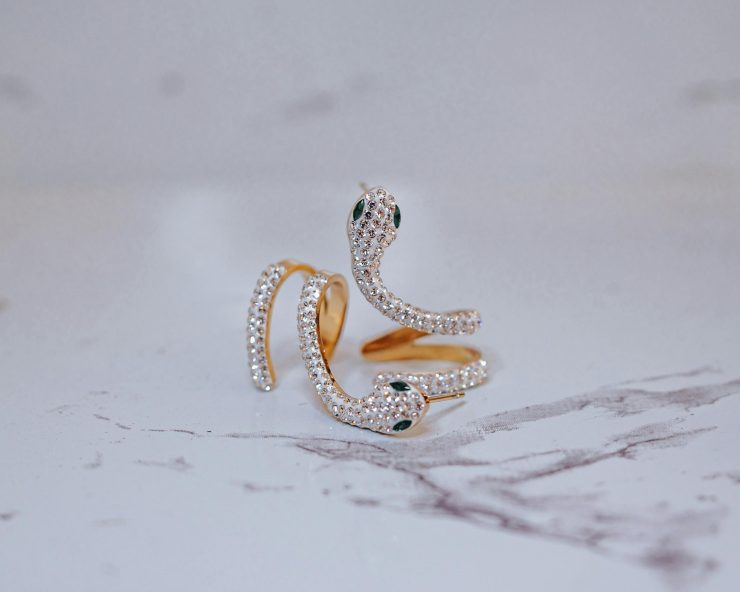
What Makes a Diamond Investment-Grade
Not every diamond belongs in an investment portfolio. In fact, most don’t.
Investment-grade diamonds usually meet strict standards related to rarity, quality, and market demand. These stones often have exceptional clarity, strong color grades, high carat weight, and reputable certification from organizations such as the Gemological Institute of America (GIA). Fancy colored diamonds, especially pink, blue, and vivid yellow stones, often attract strong investor interest because supply remains extremely limited.
Imagine comparing a mass-produced watch to a rare vintage timepiece sold at auction. Both tell time, but only one carries scarcity and collector demand. Diamonds work the same way. A standard commercial diamond may hold emotional value, but an investment-grade diamond carries financial significance because of rarity and market recognition.
Liquidity also matters. Investors prefer stones with strong resale potential across global markets. A rare diamond with international demand can perform very differently from a generic stone with uncertain buyer interest.
How Fractional Ownership Works
Fractional ownership divides a single diamond into smaller investment shares. A platform, fund, or specialized investment company typically purchases the diamond, stores it securely, and offers ownership units to investors.
For example, imagine a $500,000 certified blue diamond. Instead of one buyer purchasing the entire stone, 100 investors might each buy a 1% share for $5,000. Each investor owns part of the asset and may benefit if the diamond appreciates in value over time.
The management company usually handles insurance, storage, authentication, and eventual resale. Investors don’t keep the stone at home in a sock drawer next to old receipts. The diamond stays in secure professional storage, often in insured vaults located in financial hubs.
Some platforms may issue digital certificates or blockchain-based ownership records to improve transparency. Others use traditional legal agreements that define ownership rights, resale procedures, and profit distribution.
The details matter. Ownership can look similar on the surface while functioning very differently depending on the legal structure underneath.
Why Investors Find the Model Attractive
The biggest advantage is accessibility.
Without fractional ownership, many investors would never enter the diamond market. Buying even one investment-grade diamond outright may require tens of thousands or even millions of dollars. Shared ownership lowers the financial barrier and opens the door to diversification.
It also allows investors to spread risk. Instead of placing all capital into one asset, someone might hold fractional shares across several diamonds with different characteristics—perhaps a white flawless diamond, a yellow fancy stone, and a rare pink diamond. This creates a more balanced exposure.
Another attraction is portfolio diversification outside traditional financial systems. Diamonds do not behave exactly like equities or bonds. They can serve as a store of value during periods of inflation, currency instability, or broader economic uncertainty.
There is also emotional appeal. Unlike abstract financial products, diamonds are tangible assets. Even if investors never physically handle the stone, they know their investment exists in the real world. That psychological comfort matters more than many analysts admit.
The Role of Technology in Modern Diamond Ownership
Technology has helped fractional ownership move from a niche concept into a more visible investment option.
Digital investment platforms simplify access by allowing investors to browse certified stones, review documentation, and purchase shares online. Blockchain systems can record ownership history and transaction details, reducing disputes over authenticity and title.
This matters because trust is everything in the diamond market. A single question about provenance can send value tumbling faster than a dropped champagne glass at a gala dinner.
Blockchain doesn’t magically solve every problem, but it can improve transparency. Investors may track certification reports, chain of custody, and ownership transfers more efficiently than through paper-heavy traditional systems.
Tokenization has also entered the conversation. In some structures, diamond ownership becomes linked to digital tokens representing fractional rights. While this adds flexibility, it also introduces regulatory questions that investors should examine carefully.
Technology opens the door, but due diligence still walks you through it.
Risks and Challenges Investors Should Understand
Fractional ownership sounds polished, but every shiny object deserves inspection.
Liquidity remains one of the biggest concerns. Selling a fractional share in a diamond may not be as easy as selling publicly traded shares in a stock. Secondary markets can be limited, and buyers may not appear quickly when investors want to exit.
Valuation can also be complex. Diamonds do not have a single universal daily price like gold. Pricing depends on certification, rarity, market sentiment, auction demand, and dealer networks. Two stones with similar specifications may still command very different prices.
Fees deserve close attention. Storage, insurance, management, and platform administration all cost money. These expenses can quietly eat into returns over time like termites in a wooden floor—slowly and often unnoticed at first.
There is also platform risk. Investors rely heavily on the company managing the asset. Poor governance, weak legal protections, or operational failure can create serious problems even if the diamond itself retains value.
Regulatory uncertainty adds another layer. Some tokenized or platform-based ownership models may face changing legal frameworks depending on jurisdiction. Investors should understand exactly what they own and what rights they hold.
Comparing Fractional Diamond Ownership to Other Alternative Assets
Fractional diamond investing often gets compared with art, rare watches, wine, and precious metals. Each has similarities, but diamonds occupy their own lane.
Unlike gold, diamonds are not standardized commodities. One ounce of gold is broadly interchangeable with another. A rare diamond is highly individual. Its value depends on characteristics that can’t be copied or easily replaced.
Compared with fine art, diamonds offer easier portability and often simpler storage. A collector doesn’t need climate-controlled walls and museum lighting for a certified stone in secure vault storage.
Luxury watches and rare wine also attract investors, yet both can face condition-related issues. Mechanical wear affects watches. Storage conditions affect wine. Diamonds are generally more durable, though certification and provenance remain critical.
In short, diamonds combine scarcity, portability, and prestige. That combination explains why they continue to attract attention despite the market’s complexity.
Who May Consider This Type of Investment
Fractional diamond ownership may appeal to investors who already understand alternative assets and want exposure beyond traditional markets. It may also interest those who value wealth preservation and long-term holding strategies rather than quick short-term gains.
This approach usually suits patient investors. Diamonds are not a “buy today, flip tomorrow” game. They often perform better as long-term holdings where rarity and market scarcity have time to work in the background.
It may be less suitable for someone seeking immediate liquidity or highly predictable pricing. If you need instant exits and minute-by-minute price charts, diamonds may feel like trying to use a compass during a Formula One race.
Financial goals should guide the decision. The sparkle should never make the spreadsheet disappear.
Final Thoughts on Shared Access to Rare Assets
Fractional ownership has changed how investors approach high-value diamonds. It transforms an exclusive market into one that more people can enter without needing enormous personal capital. Instead of standing outside the auction room, smaller investors can now claim a seat at the table.
Still, accessibility does not remove complexity. Investors should examine certification standards, ownership structures, fees, resale conditions, and legal protections before committing funds. A beautiful asset can still be a poor investment if the framework around it is weak.
Investment-grade diamonds remain a specialized asset class shaped by rarity, trust, and patience. Fractional ownership makes participation easier, but smart investing still depends on careful research. In the diamond world, shine attracts attention, yet structure protects value.