
Diamonds have always carried a certain magic. They sparkle under bright lights, signal luxury, and often tell stories that go far beyond jewelry itself. Yet diamonds do not become cultural icons on their own. Celebrities have played a huge role in shaping how people view, buy, and value them. From old Hollywood legends to modern social media stars, famous faces have turned certain cuts, settings, and styles into worldwide trends almost overnight.
When a celebrity wears a diamond necklace on the red carpet or announces an engagement with a rare stone, people notice. Jewelers notice too. Trends shift, designers adapt, and consumers start asking for similar styles. In many ways, celebrities act like unofficial trend forecasters. Their choices influence not only fashion magazines but also everyday buyers looking for engagement rings, anniversary gifts, or investment pieces.
Over the decades, this relationship between fame and diamonds has evolved. What started with movie stars in black-and-white photographs now spreads instantly through Instagram posts and global livestreams. Still, the core idea remains the same: people are drawn to glamour, and diamonds often sit at the center of that picture.
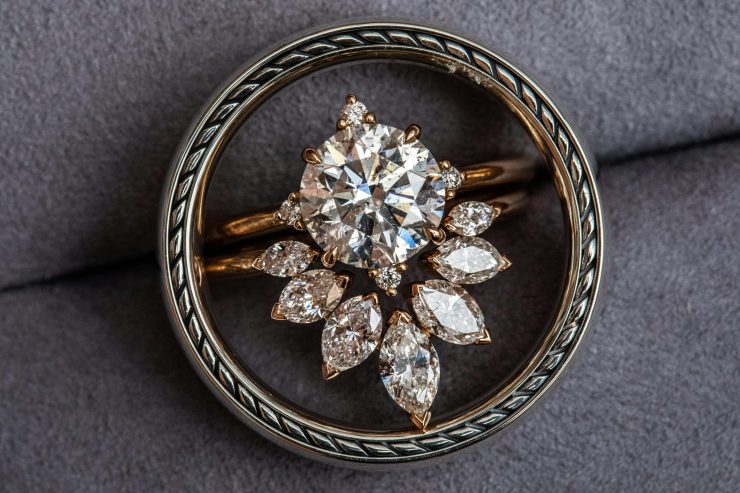
The Golden Age of Hollywood and the Birth of Diamond Glamour
In the 1930s and 1940s, Hollywood created a dream world. Film studios carefully crafted the public images of stars, and diamonds became part of that fantasy. Actresses like Elizabeth Taylor, Marilyn Monroe, and Grace Kelly helped define elegance through their jewelry choices.
Diamonds in this era symbolized sophistication and status. Large statement necklaces, chandelier earrings, and dramatic cocktail rings appeared both on-screen and off. Audiences saw these pieces as part of a glamorous lifestyle that seemed almost mythical. When Marilyn Monroe famously sang “Diamonds Are a Girl’s Best Friend,” the phrase became more than lyrics. It turned into a cultural slogan.
Elizabeth Taylor pushed this even further. Her famous jewelry collection, including exceptional diamonds gifted by Richard Burton, made headlines around the world. People followed not only her films but also her gemstones. She helped transform diamonds from accessories into public conversation pieces.
Royal Influence and the Rise of Iconic Engagement Rings
Celebrity influence expanded when royalty entered the picture. Although royal figures are not traditional celebrities, public fascination with their jewelry often creates the same effect. One of the most famous examples came from Princess Diana and her sapphire-and-diamond engagement ring in 1981.
That ring broke expectations. Instead of a traditional solitaire diamond, the design featured a vivid blue sapphire surrounded by diamonds. It inspired a wave of halo settings and colored center stones. Decades later, when Catherine, Princess of Wales began wearing the same ring, interest returned once again.
Grace Kelly also influenced bridal jewelry. Her emerald-cut diamond engagement ring from Prince Rainier of Monaco became a benchmark for timeless elegance. Clean lines and understated luxury became highly desirable, especially among buyers who wanted refinement rather than excess.
These moments showed that celebrity diamond influence was not always about size. Sometimes, design and symbolism mattered even more.
The 1980s and 1990s: Bigger, Bolder, and Brighter
During the 1980s, diamonds became louder. Economic growth, bold fashion, and celebrity culture created a “more is more” attitude. Large diamond studs, tennis bracelets, and oversized cocktail rings became status symbols. Wealth was not whispered—it was announced.
Television stars, musicians, and supermodels drove much of this trend. Celebrities like Madonna and Whitney Houston embraced statement jewelry that reflected power and confidence. Diamonds were no longer reserved for formal events. People wore them as part of everyday luxury.
The 1990s introduced a different flavor. Minimalism entered fashion, yet celebrity engagement rings still made major headlines. When Jennifer Lopez later received her famous pink diamond engagement ring from Ben Affleck in the early 2000s, it echoed the late 1990s appetite for rare and unusual stones.
This period also saw the growing importance of paparazzi culture. Suddenly, a celebrity ring was not only seen at a public event. It could be photographed while someone bought coffee. That constant visibility made jewelry trends move faster.
Red Carpet Culture and Designer Partnerships
Award shows changed everything. Events like the Academy Awards turned diamonds into headline material. Jewelry became part of fashion reporting, not just a finishing touch.
Designers and luxury houses recognized the opportunity. Partnerships between celebrities and brands became strategic. A necklace worn for one evening could generate weeks of press coverage. Viewers often remembered the diamonds as much as the dress.
For example, when Angelina Jolie wore striking emerald-cut diamond earrings on the red carpet, searches for similar styles increased. When Beyoncé appeared in high-jewelry campaigns, luxury branding reached a wider audience.
These appearances shaped consumer expectations. Buyers started paying closer attention to cut quality, setting design, and designer names. Diamonds became part of storytelling. Who wore it mattered almost as much as what it was.
Social Media and the New Era of Instant Influence
Today, celebrity influence moves at lightning speed. A single Instagram post can launch a global trend before breakfast. Social media changed the old gatekeeping system where magazines and television controlled visibility. Now, celebrities speak directly to millions of followers.
This shift created new kinds of diamond influencers. Traditional movie stars still matter, but musicians, athletes, reality stars, and digital creators also shape demand. Someone may discover a diamond trend through a TikTok engagement reveal rather than a red carpet event.
Take oval-cut engagement rings as an example. Celebrities like Hailey Bieber helped push this style into mainstream popularity. Suddenly, jewelers saw increased demand for elongated stones with delicate hidden halos. The design looked modern yet classic, which made it highly shareable online.
Social media also increased interest in custom designs. Buyers now want rings that feel personal and distinctive rather than identical to everyone else’s. Celebrity examples encourage this mindset. People are not just buying a diamond—they are buying a story.
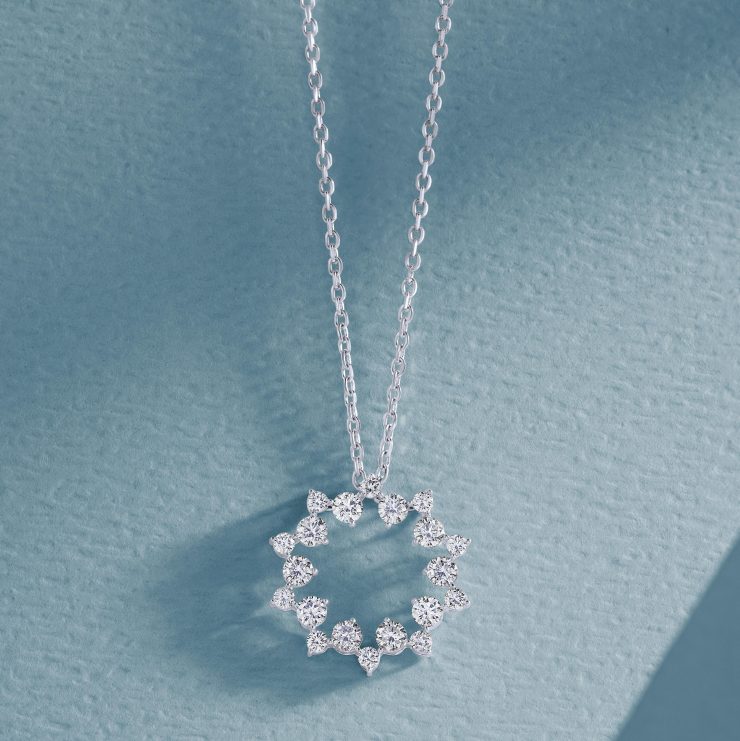
Ethical Diamonds and Celebrity Advocacy
Modern celebrity influence is not only about appearance. It also includes values. Many public figures now speak openly about ethical sourcing, sustainability, and transparency in the diamond trade. This has changed consumer questions at the jewelry counter.
Films like Blood Diamond helped raise awareness of conflict diamonds, while celebrity activism pushed the issue further. Buyers became more aware of certification systems and responsible sourcing practices.
Some celebrities support lab-grown diamonds as a more sustainable option, while others promote traceable natural diamonds with strong origin documentation. Either way, the conversation shifted. Prestige now includes ethics.
This reflects a broader cultural change. Luxury without accountability feels outdated to many younger buyers. Celebrities who discuss responsible consumption help shape this expectation, and brands respond quickly because demand follows attention.
Why Celebrity Influence Still Matters
At first glance, celebrity diamond trends may seem superficial. However, they reveal something deeper about human behavior. People often use jewelry to express identity, memory, and aspiration. Celebrities provide visible examples of what those expressions can look like.
An engagement ring inspired by a famous actress may represent romance. A tennis bracelet seen on a musician may symbolize independence. A custom pendant worn by an athlete may reflect personal achievement. The diamond itself matters, but the emotional meaning often drives the purchase.
Celebrity influence works because it mixes fantasy with familiarity. People know their lives are different from those on magazine covers, yet jewelry offers a small bridge between those worlds. A ring, after all, can feel like a tiny piece of a larger dream.
That connection has lasted for generations, and it shows no sign of fading.
Conclusion
Celebrity influence on diamond trends has shaped jewelry culture for decades. From the elegance of old Hollywood to the speed of modern social media, famous figures continue to guide public taste. They influence cuts, settings, sourcing preferences, and even the emotional language around diamonds.
Some trends fade quickly, like fashion seasons passing through a window. Others stay for generations, becoming part of cultural memory. What remains constant is the power of visibility. When the world watches a celebrity sparkle, the jewelry industry pays attention.
Diamonds may be formed under pressure, but trends often form under spotlights. That relationship between fame and fine jewelry continues to evolve, reflecting not only style but also changing ideas about beauty, status, and meaning.