
Jewelry has always told a story. Sometimes it whispers elegance through a single diamond. Other times, it sings with vibrant sapphires, emeralds, rubies, and other colorful gemstones. When diamonds and colored stones come together in one design, the result can feel like a perfectly arranged orchestra—brilliance meets personality, and sparkle meets depth. Mixed gemstone and diamond jewelry has become increasingly popular because it offers both visual drama and personal expression. It allows wearers to move beyond traditional all-diamond pieces and explore combinations that feel unique, meaningful, and stylish.
The beauty of this jewelry style lies in contrast. Diamonds reflect white light with intense fire and brilliance, while colored gemstones bring rich tones and emotional warmth. Together, they create balance. Think of diamonds as the spotlight and colored gems as the stage. One enhances the other. Whether in engagement rings, necklaces, earrings, or bracelets, these combinations can transform a simple design into something memorable. Understanding how this balance works helps buyers appreciate why certain pieces feel harmonious while others seem too busy or mismatched.
Why Mixed Gemstone and Diamond Jewelry Appeals to Modern Buyers
Today’s buyers often want more than tradition. They want jewelry that reflects identity, milestones, and individual taste. Mixed gemstone and diamond jewelry offers exactly that. Instead of choosing between sparkle and color, people can enjoy both in one design. This flexibility makes the style especially appealing for engagement rings, anniversary gifts, and custom heirloom pieces.
For example, someone may love the brilliance of diamonds but also feel emotionally connected to a birthstone like sapphire or emerald. Combining both creates a piece with emotional value and visual appeal. It’s like adding your favorite chapter to an already beautiful book. The jewelry becomes more personal and often more memorable. Designers also use mixed stones to create vintage-inspired looks, modern asymmetry, or nature-themed pieces that feel artistic rather than predictable.
Fashion trends have also pushed this popularity forward. Social media and celebrity styling have made colored gemstones more visible in luxury jewelry. People now see ruby and diamond rings or emerald tennis bracelets not as unusual choices, but as sophisticated statements. The old rulebook has loosened, and that opens the door to creativity.
Understanding the Role of Diamonds in Multi-Stone Designs
Diamonds often act as the anchor in mixed gemstone jewelry. Their brilliance adds light and structure, helping the design feel polished and refined. Even when a colored gemstone takes center stage, diamonds usually support it by framing the main stone or creating visual rhythm around the piece.
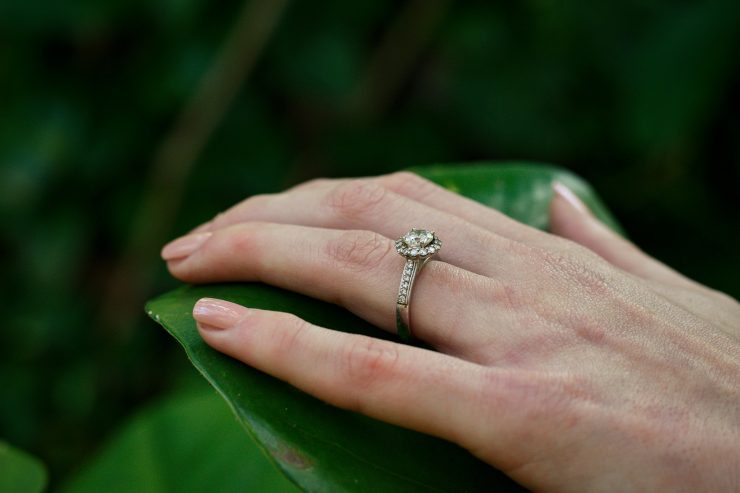
A halo setting is a good example. A central sapphire surrounded by small diamonds instantly appears brighter and more dramatic. The diamonds don’t compete—they amplify. This technique works beautifully with rubies, aquamarines, morganite, and many other gems. It’s similar to placing a painting in the right frame. The artwork stands out more because of what surrounds it.
Diamonds also help with versatility. Because they are neutral in color, they connect well with almost every gemstone. Their white brilliance softens bold colors and lifts softer shades. This makes the overall design easier to wear with different outfits and occasions. A jewelry piece with both diamonds and colored stones often feels formal enough for special events yet stylish enough for everyday wear.
Choosing Gemstones That Complement Diamond Sparkle
Not every gemstone pairs with diamonds in the same way. Some stones create strong contrast while others blend gently. The best combinations depend on color saturation, transparency, cut, and the mood of the design. This is where jewelry design becomes both science and art.
Rubies and diamonds create a bold, classic contrast. The deep red of ruby against white diamond brilliance feels dramatic and luxurious. Emeralds offer a rich green tone that brings vintage charm and royal elegance. Sapphires, especially deep blue ones, pair beautifully with diamonds because the cool tones feel naturally balanced. These combinations have remained popular for generations because they simply work.
Softer stones like morganite, aquamarine, and pink tourmaline create a more romantic effect. Their pastel tones allow diamonds to shine without overwhelming the design. Opals can also pair beautifully with diamonds, although their softer structure requires extra care. Designers often consider durability alongside beauty because a stunning ring should also survive daily life.
Sometimes contrast matters more than color. A matte stone beside a brilliant-cut diamond creates texture. A cabochon-cut gem next to faceted diamonds adds depth. These subtle choices often separate ordinary jewelry from truly thoughtful design.
Metal Choice and Its Influence on Color Balance
Metal plays a quiet but powerful role in mixed gemstone and diamond jewelry. It acts like the background in a photograph—easy to overlook, yet essential to the final effect. White gold and platinum tend to enhance diamonds and cool-toned stones like sapphires or aquamarines. They create a crisp, clean appearance that feels modern and sharp.
Yellow gold brings warmth. It pairs especially well with rubies, citrine, champagne diamonds, and emeralds. The rich golden tone can soften bright contrasts and create a vintage or regal appearance. Rose gold, meanwhile, offers a romantic touch that works beautifully with blush-toned gems like morganite or pink sapphires.
Choosing the wrong metal can throw off the entire balance. A gemstone may look dull or overly intense depending on the setting. Designers often test combinations carefully before finalizing a piece. It’s a little like choosing the right wall color for a room—small differences change everything. The best jewelry designs treat metal as part of the composition, not just the structure holding it together.
Balancing Size, Placement, and Visual Weight
A common mistake in mixed gemstone jewelry is imbalance. If one stone dominates too heavily or the diamonds feel scattered without purpose, the design can lose elegance. Good jewelry design relies on proportion. Each stone should feel intentional, not accidental.
Center stones usually establish the hierarchy. A large emerald with delicate diamond accents creates one mood. A diamond center surrounded by alternating sapphires creates another. Neither is wrong, but each tells a different visual story. Designers think carefully about scale because too much sparkle can feel chaotic, while too much color without enough brilliance may look flat.
Symmetry also matters, although asymmetry has gained popularity in modern custom jewelry. Earrings, for example, may use mirrored gemstone placement for classic elegance or mismatched arrangements for a contemporary look. Necklaces often rely on gradual stone sizing to guide the eye naturally across the design.
The goal is harmony, not competition. Jewelry should feel like a conversation between stones, not an argument at the dinner table.
Symbolism and Personal Meaning Behind Stone Pairing
Many buyers choose mixed gemstone and diamond jewelry for emotional reasons rather than purely aesthetic ones. Diamonds often symbolize permanence, strength, and commitment. Colored gemstones carry their own meanings—ruby for passion, sapphire for wisdom, emerald for renewal, and amethyst for calm. Combining them allows a piece to hold layered symbolism.
Engagement rings are a strong example. A couple may select a diamond center stone for tradition and add birthstones on the band for personal meaning. Anniversary rings often use gemstones that mark important life moments, such as children’s birth months or travel memories connected to specific places and colors. These details turn jewelry into a personal archive.
Custom jewelers increasingly build designs around stories rather than trends. That shift matters. People want pieces that feel like part of their life, not just part of a display case. Mixed gemstone and diamond jewelry supports that beautifully because it blends beauty with biography.
Caring for Mixed Gemstone and Diamond Pieces
Different stones require different care, which makes maintenance especially important in mixed jewelry. Diamonds are famously durable, but not all gemstones share that toughness. Emeralds can contain internal inclusions, opals are sensitive to dryness, and pearls need much gentler handling than nearly any faceted stone.
Cleaning methods should match the most delicate stone in the piece, not the strongest one. Warm water and mild soap often work better than aggressive ultrasonic cleaning. Professional inspections also help protect prongs, settings, and stone security over time. A loose emerald in a diamond ring can turn into an expensive heartbreak very quickly.
Storage matters too. Harder stones like diamonds can scratch softer gems if they rub together. Separate compartments or soft pouches help prevent that problem. Jewelry may be beautiful, but it isn’t invincible. Treating it with care keeps both color and sparkle alive for years.
The Lasting Appeal of Contrast and Harmony
Mixed gemstone and diamond jewelry continues to grow in popularity because it offers something timeless: balance. It combines brilliance with personality, structure with emotion, and tradition with creativity. A diamond alone can be stunning. A gemstone alone can be deeply expressive. Together, they create a richer visual and emotional experience.
This style works because it reflects how people actually live—rarely in black and white, but in layers of color, memory, and meaning. Jewelry that blends diamonds with colored stones captures that beautifully. It doesn’t force a choice between elegance and individuality. Instead, it proves that the best designs often come from contrast.
Like sunlight through stained glass, the magic happens when brilliance meets color.