
When people think about diamonds, they often focus on sparkle first. That makes sense—brilliance grabs attention. Yet shape plays an equally powerful role in how a piece of jewelry looks and feels. The outline of a diamond affects style, balance, personality, and even how large the stone appears. In many ways, shape is the silent storyteller of jewelry design.
A round diamond feels very different from an emerald-cut stone, even when both have the same carat weight. One may look soft and romantic, while the other appears sleek and architectural. Shape influences first impressions before anyone notices clarity or certification. It sets the mood.
Whether you are looking at engagement rings, pendants, earrings, or bracelets, diamond shape helps define the visual language of the piece. It can whisper elegance, shout glamour, or quietly suggest modern minimalism. Understanding these differences helps people appreciate jewelry beyond price tags and carat counts.
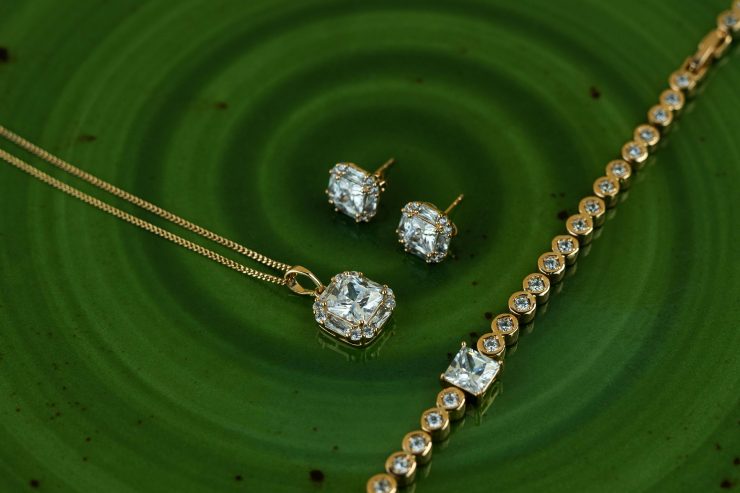
The Difference Between Shape and Cut
People often use “shape” and “cut” as if they mean the same thing, but they don’t. Shape refers to the external outline of the diamond. Round, oval, pear, princess, and cushion are all examples of shape. Cut, on the other hand, describes how well the diamond’s facets interact with light.
Think of shape as the frame of a painting and cut as the artist’s technique. Both matter, yet they serve different purposes. A round diamond with an excellent cut may sparkle intensely, while a poorly cut version of the same shape can look dull. Meanwhile, an emerald shape will reflect light differently by design because of its long step-cut facets.
This distinction matters because aesthetics come from both elements working together. Shape creates visual identity. Cut creates performance. When both align, jewelry moves from attractive to unforgettable.
Round Diamonds and Timeless Symmetry
Round diamonds remain the most recognized shape in fine jewelry. Their popularity comes from balance and brilliance. Because the shape is perfectly symmetrical, it reflects light efficiently and creates exceptional sparkle.
Visually, round diamonds feel classic and dependable. They suit almost every setting, from vintage halos to sleek solitaire rings. Their versatility makes them a favorite for people who want elegance without chasing trends. Like a little black dress, they rarely look out of place.
Round stones also soften the overall appearance of jewelry. Curves naturally feel welcoming to the eye. They create harmony and flow, especially in rings designed for everyday wear. If jewelry could smile, round diamonds probably would.
Princess Cut and Modern Sharpness
Princess-cut diamonds bring a different energy. Their square shape and pointed corners create a sharper, more contemporary look. They often appeal to people who prefer clean lines over soft curves.
This shape gives jewelry a sense of structure. It feels confident, polished, and slightly bold. In engagement rings, princess cuts often suggest modern sophistication rather than traditional romance. They’re crisp, like a perfectly tailored blazer.
Another aesthetic advantage is their visual size. Because of their broad top surface, princess-cut diamonds can appear larger than some other shapes of equal carat weight. That makes them visually impactful without necessarily increasing budget.
Oval Diamonds and Elegant Elongation
Oval diamonds combine the brilliance of a round stone with a more elongated silhouette. This shape creates graceful movement and often makes fingers appear longer and slimmer when used in rings.
There’s something naturally refined about an oval. It feels soft yet distinctive. It stands out without trying too hard, which is often the best kind of luxury. Many people choose oval shapes because they offer familiarity with a twist.
From a design perspective, oval diamonds create excellent center stones because they draw the eye smoothly across the hand or neckline. They avoid the rigid feel of square shapes while offering more individuality than a traditional round stone.
Emerald Cut and Quiet Sophistication
Emerald-cut diamonds don’t scream for attention. They don’t need to. Their long rectangular shape and step-cut facets create broad flashes of light rather than intense sparkle. The effect is subtle, elegant, and deeply sophisticated.
This shape often appeals to those who value clarity and refinement. Because the large open facets reveal more of the stone’s interior, imperfections become easier to notice. As a result, emerald cuts often emphasize quality over flash.
Aesthetically, they bring a sense of order and confidence. They look tailored, almost architectural. If round diamonds are champagne, emerald cuts are a perfectly aged whiskey—less sparkle, more character.
Cushion Cut and Vintage Romance
Cushion-cut diamonds blend square and round features with softly curved corners. Their pillow-like appearance gives them warmth and charm, which explains their strong connection to vintage-inspired jewelry.
This shape feels romantic. It carries an old-world elegance that works beautifully in halo settings and antique-style designs. Many people describe cushion cuts as soft and dreamy, and that description fits.
Because they reflect light with a slightly gentler sparkle, they create a more intimate aesthetic. They don’t flash like a disco ball. Instead, they glow. Sometimes subtle beauty lingers longer than obvious shine.
Pear and Marquise Shapes for Dramatic Flair
Some diamond shapes enter the room before you do. Pear and marquise cuts belong in that category. Their elongated silhouettes create strong visual drama and distinctive personality.
Pear-shaped diamonds combine a rounded end with a pointed tip. This creates movement and asymmetry, which makes jewelry feel artistic and expressive. In rings and pendants, they often look fluid and graceful.
Marquise diamonds, with pointed ends on both sides, create even more drama. Their elongated shape maximizes surface appearance, making the diamond look larger. Historically associated with royal style, marquise cuts still carry a bold and glamorous presence today.
These shapes aren’t shy. They’re the red lipstick of diamond design.
Heart Shapes and Emotional Symbolism
Heart-shaped diamonds are perhaps the most literal example of jewelry symbolism. Their aesthetic influence goes beyond visual appeal because they instantly communicate emotion.
This shape works best when craftsmanship is precise. Symmetry matters greatly. A poorly shaped heart can lose its charm quickly. When done well, though, it becomes playful, romantic, and deeply personal.
Heart shapes often appear in pendants and sentimental gifts rather than traditional engagement rings. Their emotional value drives their appeal. Sometimes design isn’t just about beauty—it’s about meaning people can wear.
How Shape Affects Setting Style
Diamond shape also influences the best type of setting. Some shapes demand protection, while others invite openness. For example, pointed shapes like pear and marquise often need secure prongs to protect delicate tips. Round stones offer more flexibility.
The setting changes how the shape feels visually. A bezel setting can make an oval look sleek and modern, while a halo can make a cushion cut appear more romantic and dramatic. The same diamond can tell different stories depending on its frame.
Metal choice matters too. Yellow gold may soften geometric shapes, while platinum can emphasize clean lines. Jewelry design is a conversation between shape, setting, and metal—not a solo performance.
Personal Style and Visual Identity
Diamond shape often reflects personality more than people realize. Someone drawn to round stones may value timelessness and balance. A person who loves emerald cuts might prefer understated luxury. Fans of pear or marquise shapes may enjoy expressive style and visual individuality.
Of course, these are not strict rules. Jewelry isn’t a personality test disguised as sparkle. Still, shape choices often reveal aesthetic instincts. People choose what feels like them.
That connection matters because jewelry lives close to the body. It becomes part of personal identity. The right shape doesn’t just look good—it feels right, like finding the perfect jacket that somehow understands your entire mood.
Conclusion
Diamond shape shapes more than appearance—it shapes emotion, perception, and style. It affects how jewelry catches light, how large a stone appears, and how the piece speaks without words. From the timeless symmetry of round diamonds to the dramatic flair of marquise cuts, each shape creates its own visual language.
Understanding these differences helps buyers and admirers look beyond sparkle alone. Jewelry becomes more meaningful when you recognize the design choices behind it. Shape is not just geometry. It is personality carved into stone.
In the end, the best diamond shape is not simply the most expensive or the most fashionable. It is the one that feels like a natural extension of the wearer—because the most beautiful jewelry always looks like it belongs there.