
Minimalist diamond jewelry has moved far beyond being a passing fashion trend. It has become a lasting style choice for people who value elegance without excess. Instead of large, dramatic pieces that demand attention, many buyers now prefer jewelry that feels subtle, refined, and easy to wear every day. A small diamond ring, a delicate pendant, or a thin bracelet with a single stone can often say more than a bold statement necklace ever could.
This shift reflects a broader lifestyle change. People want pieces that fit naturally into daily life rather than jewelry reserved for special occasions. Minimalist diamond jewelry offers that balance. It feels luxurious without looking loud. It blends beauty with practicality. In many ways, it follows the old saying that less is more. A single well-cut diamond on a clean setting can shine brighter than a dozen stones fighting for attention.
Why Minimalism Appeals to Modern Buyers
Modern consumers often look for simplicity in many areas of life. Homes feature cleaner lines, wardrobes lean toward timeless basics, and jewelry follows the same path. Minimalist diamond pieces match this mindset because they focus on quality over quantity. Instead of buying several flashy items, people may choose one carefully crafted piece that lasts for years.
There is also an emotional side to this preference. Jewelry often marks important life moments like engagements, anniversaries, or personal achievements. A minimalist design allows the meaning behind the piece to stand at the center. It doesn’t distract with excessive decoration. Think of it like a handwritten note on plain paper. The simplicity makes the message stronger.
Another reason is versatility. A sleek diamond necklace can work with office wear, casual outfits, and formal evening looks. Buyers appreciate this flexibility because it makes the purchase feel practical as well as beautiful.
The Rise of Solitaire Designs
Solitaire settings remain one of the strongest trends in minimalist diamond jewelry. These designs feature a single diamond as the focal point, often placed on a plain metal band or chain. The beauty lies in the clarity of the design. Nothing competes with the stone itself.
This style has become especially popular in engagement rings. Many couples now choose slim bands with one center diamond rather than elaborate halo settings or multi-stone arrangements. The solitaire ring feels timeless. It avoids trends that may fade quickly and keeps the focus on craftsmanship and symbolism.
Even outside engagement jewelry, solitaire earrings and pendants continue to grow in popularity. A pair of simple diamond studs can work for almost anyone. They are the white shirt of the jewelry world—classic, dependable, and always appropriate.
Thin Bands and Delicate Settings
Chunky jewelry once dominated many luxury collections, yet thin bands have taken center stage in minimalist design. Slim rings with subtle diamond accents create a softer and more refined appearance. They often stack beautifully, allowing wearers to personalize their style without creating visual clutter.
Delicate settings also highlight the diamond itself. Prongs are smaller, metal work feels lighter, and the design gives the stone room to breathe. This creates an airy look that feels modern and effortless. It’s like framing a painting with a thin border instead of a heavy frame. The artwork becomes the star.
Many jewelers now create ultra-thin pavé bands where tiny diamonds line the surface in a subtle sparkle. These pieces catch light beautifully without feeling overwhelming.
Yellow Gold Makes a Strong Return
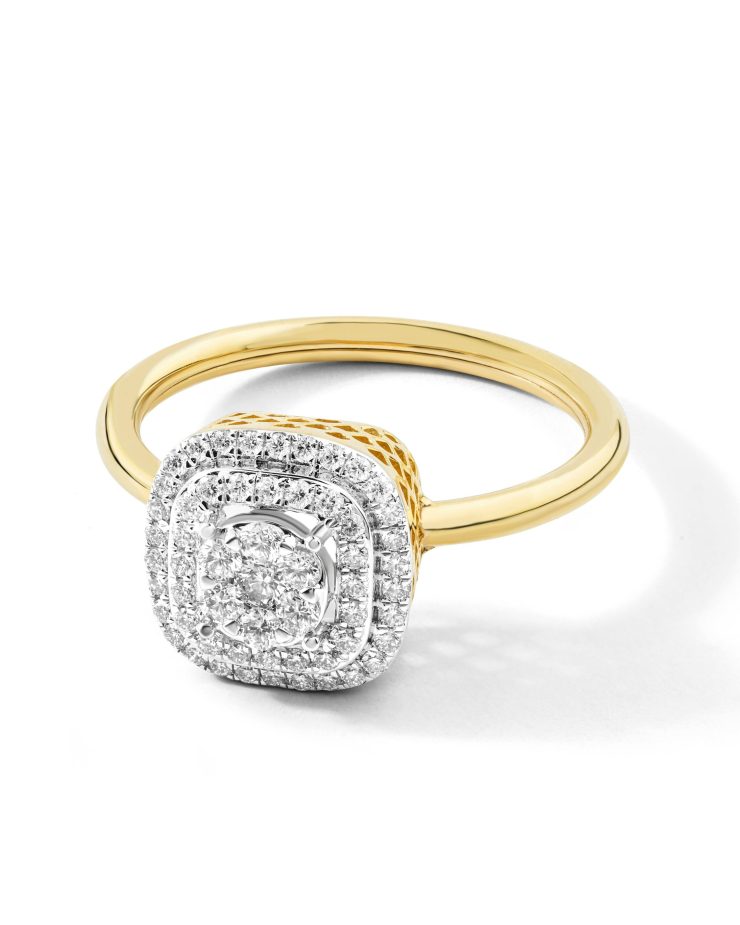
For years, white gold and platinum dominated diamond jewelry trends. Recently, yellow gold has made a confident comeback, especially in minimalist collections. Its warm tone creates a soft contrast against diamonds and gives jewelry a vintage-meets-modern character.
Yellow gold feels approachable and rich at the same time. It pairs well with simple settings because the metal itself adds personality without needing extra design elements. A plain gold band with a single diamond can feel both contemporary and classic.
Rose gold also maintains popularity, particularly among younger buyers who want something slightly different. However, yellow gold often leads the conversation because it offers timelessness without trying too hard. It walks into the room quietly and still gets noticed.
Lab-Grown Diamonds and Conscious Minimalism
Minimalist design often connects with mindful consumption. Buyers who prefer fewer, better items also tend to think carefully about sourcing and sustainability. This has increased interest in lab-grown diamonds within minimalist jewelry collections.
Lab-grown diamonds offer the same physical and visual properties as mined diamonds, yet they often come with lower environmental concerns and more accessible pricing. For many buyers, this creates an attractive option. They can invest in quality while staying aligned with personal values.
A minimalist ring with a lab-grown diamond often represents both style and intention. It says beauty matters, but so does responsibility. That balance resonates strongly with younger generations who want luxury with a conscience rather than luxury for show.
Personalized Simplicity
Minimalist doesn’t mean generic. In fact, personalization has become one of the strongest trends in this space. Buyers want jewelry that feels personal without looking overly decorative. Hidden details make this possible.
For example, a ring may include a small birthstone on the inside of the band. A necklace might feature initials engraved on the clasp rather than displayed openly. Some engagement rings include secret diamonds beneath the center stone where only the wearer knows they exist.
These subtle touches create intimacy. They turn jewelry into a private story rather than a public performance. It’s a whisper instead of a shout, and sometimes whispers carry further.
Layering Without Excess
Minimalist jewelry also supports layering, which has become a defining style trend. Instead of wearing one dramatic necklace, people combine several fine chains of different lengths. Instead of one oversized ring, they stack slim bands with small diamonds or plain polished metals.
The key is balance. Layering in minimalist design should feel intentional, not accidental. Each piece adds texture without creating chaos. It’s like seasoning food—too little feels flat, too much ruins dinner.
Diamond layering works particularly well because sparkle remains subtle. Small diamonds across multiple pieces create movement and light without crossing into extravagance. This approach allows wearers to build a collection gradually rather than making one oversized purchase.
Gender-Neutral Diamond Jewelry
Another important shift involves design beyond traditional gender categories. Minimalist jewelry naturally fits gender-neutral styling because it relies on clean lines and understated elegance rather than heavily gendered details.
Simple diamond bands, sleek bracelets, and understated necklaces appeal to a wider audience. Men increasingly choose diamond jewelry that feels refined rather than flashy. Women often prefer structured, architectural designs instead of ornate traditional styles.
This change reflects broader cultural movements toward personal expression without rigid rules. Jewelry becomes less about fitting into expectations and more about choosing what feels authentic. Minimalism supports that freedom beautifully because it strips away assumptions and leaves only design.
The Long-Term Value of Minimalist Jewelry
Trends come and go faster than fashion week coffee disappears. Still, minimalist diamond jewelry tends to hold its relevance because it avoids extremes. It isn’t tied to one season or one social media moment. Clean design has staying power.
From an investment perspective, timeless pieces often maintain stronger resale and emotional value. A classic solitaire ring from ten years ago still feels current today. A heavily trend-driven design may not age as gracefully. Buyers recognize this and increasingly choose longevity over novelty.
Minimalist jewelry also encourages thoughtful ownership. Instead of collecting many pieces that sit untouched, people wear and appreciate what they own. That creates a stronger relationship with the jewelry itself. It becomes part of daily life rather than something hidden in a box waiting for a special event.
Conclusion
Minimalist diamond jewelry continues to grow because it reflects how people live today. Buyers want elegance that feels natural, luxury that fits daily routines, and beauty that carries meaning rather than noise. Solitaire rings, delicate settings, yellow gold, lab-grown diamonds, and personalized details all support this movement toward thoughtful simplicity.
The appeal is clear. Minimalist jewelry doesn’t need to shout to be noticed. It works quietly, like good design always does. A small diamond on a fine chain can hold memories, values, and style all at once. In a world full of excess, that kind of simplicity feels surprisingly powerful.